
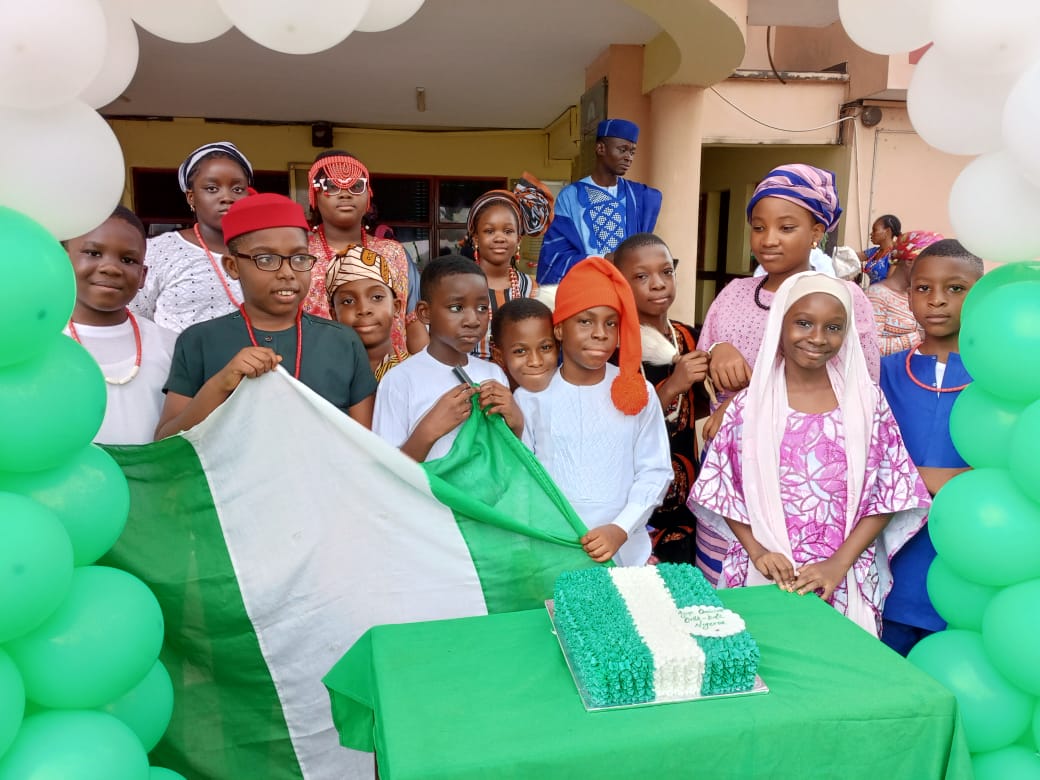
A Spectacular Nigeria’s 65th Independence Celebration— Cultural Day
It was a colourful and memorable Nigeria’s 65th Independence celebration at Pampers Private School on September 30, 2025. The event began with heartfelt prayers, setting a tone of gratitude and unity for the day. Furthermore, learners, teachers, and parents gathered in excitement for Nigeria’s 65th Independence celebration with cultural splendor, laughter, and learning. https://tourafricamag.com/travel/global-cultural-expeprience-people-places-and-events/

Additionally, the atmosphere quickly filled with joy as learners proudly showcased the rich diversity of Nigeria’s tribes through music, dance, and traditional fashion. https://tourafricamag.com/pampers-private-school/
Cultural Parade and Learners’ Interaction
The cultural parade kicked off with teachers and learners elegantly dressed in different traditional attires, representing major tribes across Nigeria — Yoruba, Igbo, Hausa, Efik/Ibibio, Edo, Itsekiri, and Urhobo. Moreover, each group marched proudly around the school grounds, displaying their cultural pride and unity in diversity.
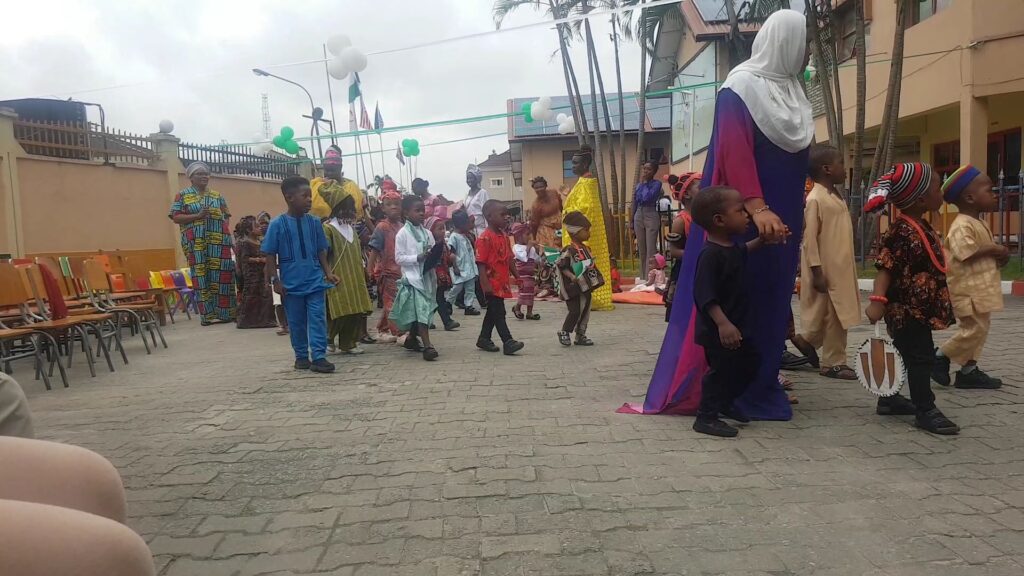
After the parade, learners were asked a few simple questions about Nigeria’s Independence — such as the day Nigeria gained independence and how old Nigeria would be the next day. As expected, their responses reflected excitement, understanding, and growing national awareness.
Cultural Dances and Performances
The celebration continued with cultural dance displays, as learners proudly represented Nigeria’s major tribes. Then, each cultural group came forward to perform its unique dance steps, while traditional music filled the air with excitement and national pride. https://ich.unesco.org/en/state/nigeria-NG
Yoruba Culture
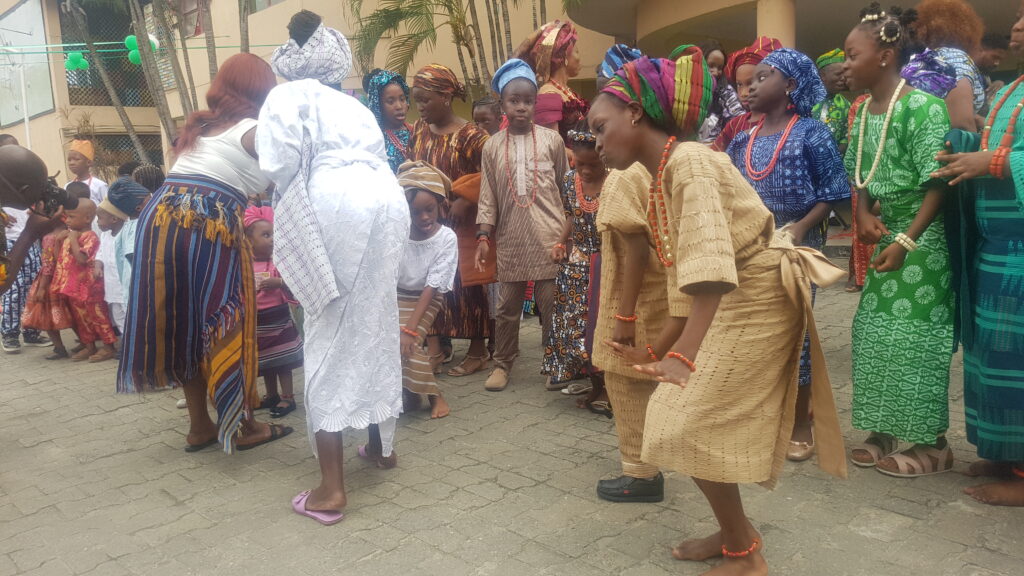
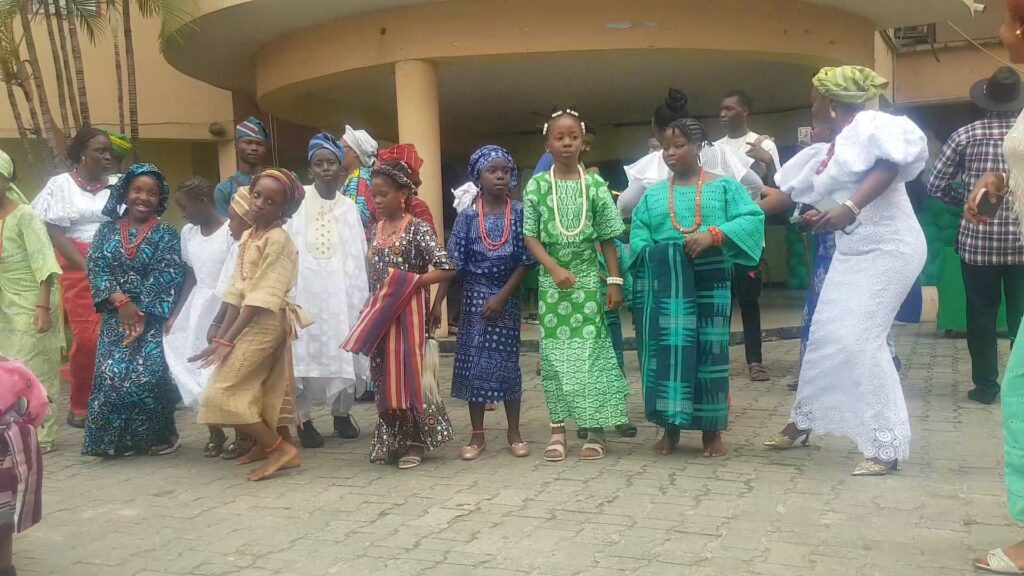
The Yoruba learners shone brightly in their vibrant aso-oke attires, beautifully adorned with beads and traditional caps. As soon as the Yoruba music began to play, they stepped forward gracefully, dancing in rhythm to the beats that filled the air. Their movements reflected joy, unity, and pride in their heritage. Meanwhile, teachers and parents clapped along enthusiastically, creating a warm, celebratory atmosphere. The Yoruba group’s performance beautifully symbolized the strength and elegance of the southwestern culture. https://tourafricamag.com/j-randle-museum-visit/
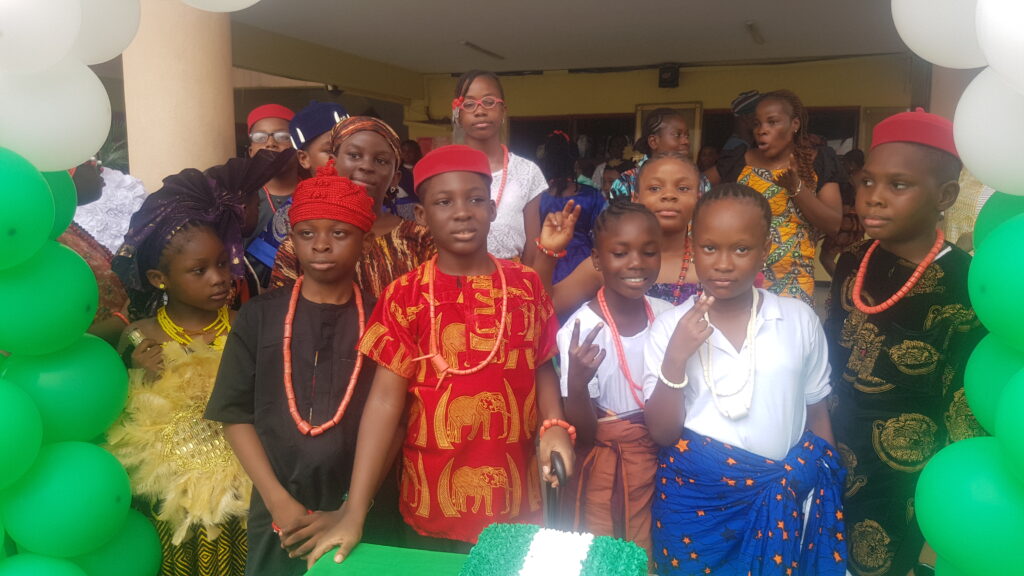
Igbo Culture
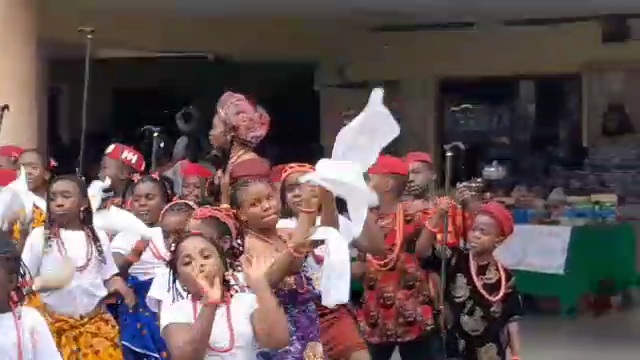
Next, the Igbo learners took the stage with elegance and confidence. The boys looked regal in Isiagu tops, trousers, and red caps, each carrying a walking stick — a traditional sign of respect and leadership. The girls complemented them gracefully, wearing white tops paired with colorful wrappers in shades of yellow, red, or blue decorated with star patterns. They also wore black stockings and waved white handkerchiefs with coordinated hand movements. Altogether, the Igbo group’s performance radiated unity, pride, and cultural grace, representing the eastern region’s vibrant traditions.
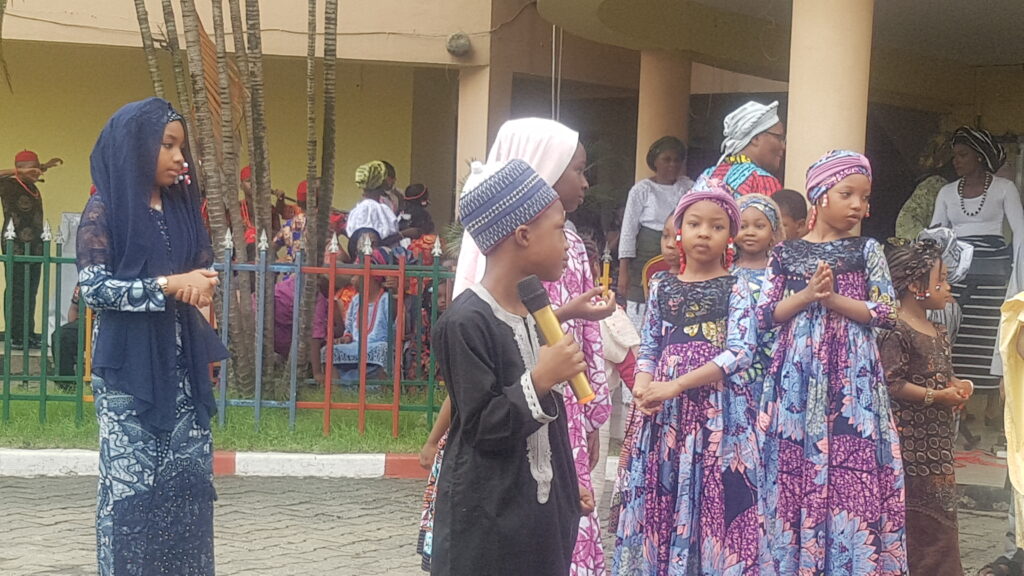
Hausa Culture
Following this, the Hausa group brought calm elegance to the parade. The girls wore beautiful Hausa attires with large, flowing scarves draped across their shoulders — a hallmark of northern style. The boys appeared in traditional caftans and matching caps, walking with poise and dignity. As they moved in harmony, their gentle dance steps and smiles reflected the serenity and pride of the Hausa people. Their appearance and composure truly captured the spirit of the North.
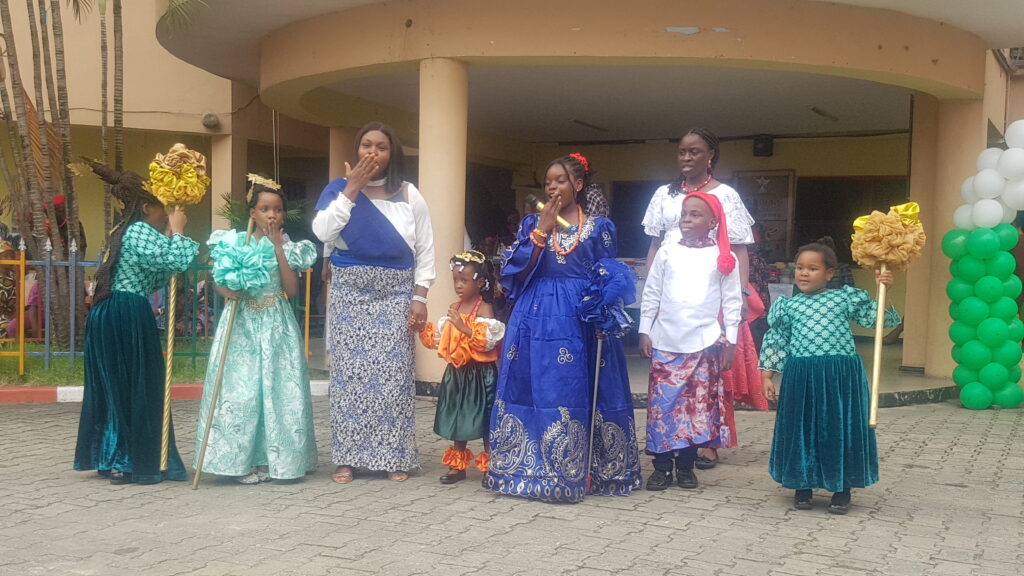
Efik/Ibibio Culture
Then came the Efik and Ibibio learners, whose presence added royal charm to the celebration. The girls wore the exquisite “Oyoyo” attire — richly embroidered flowing gown, blouses and wrapper complemented by intricate beaded hairstyles, necklaces, and hand-held staffs. These accessories symbolized grace and authority. The boys also stood out in their traditional Usobo or Etibor wrappers, white shirts, and neckpieces. Together, their vibrant appearance and synchronized steps captured the deep cultural richness of the Efik and Ibibio heritage.
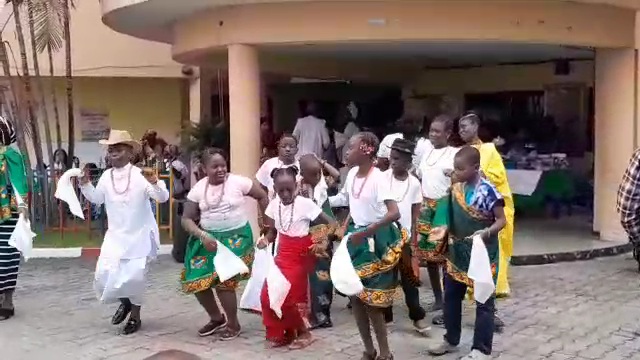
Edo Culture
Finally, the Edo and Itsekiri learners displayed regality and sophistication. The Edo learners wore traditional wrappers, coral bead necklaces, and beaded crowns, reflecting the grandeur of the Benin Kingdom. The boys’ outfits included white shirts paired with George wrappers and red coral beads, showing nobility and courage. The girls looked stunning in blouses, wrappers, and coral bead crowns, capturing the essence of Benin royalty. Their rhythmic dances celebrated the Niger Delta’s beauty, blending grace with cultural pride. Overall, their performance added brilliance to the entire parade.
The Talking Drum Performance
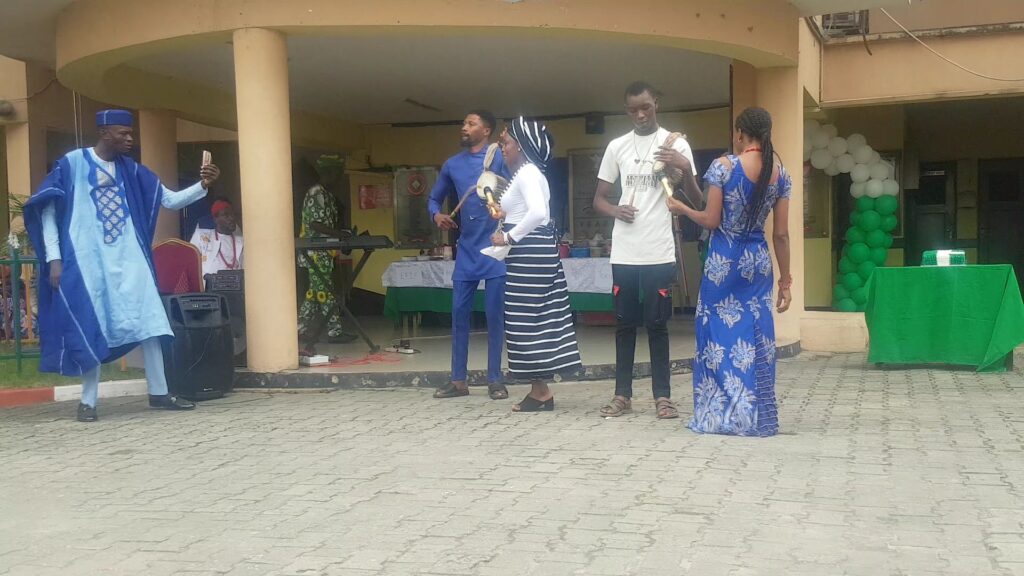
After the cultural dance and performance, the atmosphere grew even more electrifying as talented talking drummers were invited to perform. The rhythmic beats of the drum echoed across the school grounds, drawing everyone’s attention. The Yoruba cultural group — both learners and teachers — stepped forward with excitement to dance to the tune of the talking drum. Their graceful movements and bright smiles captured the essence of Yoruba tradition, where music, rhythm, and storytelling blend perfectly. Meanwhile, the audience clapped and cheered, clearly enjoying the vibrant performance that celebrated the heartbeat of Nigerian culture. https://tourafricamag.com/national-museum-onikan-lagos/
Parents’ Participation and Food Display
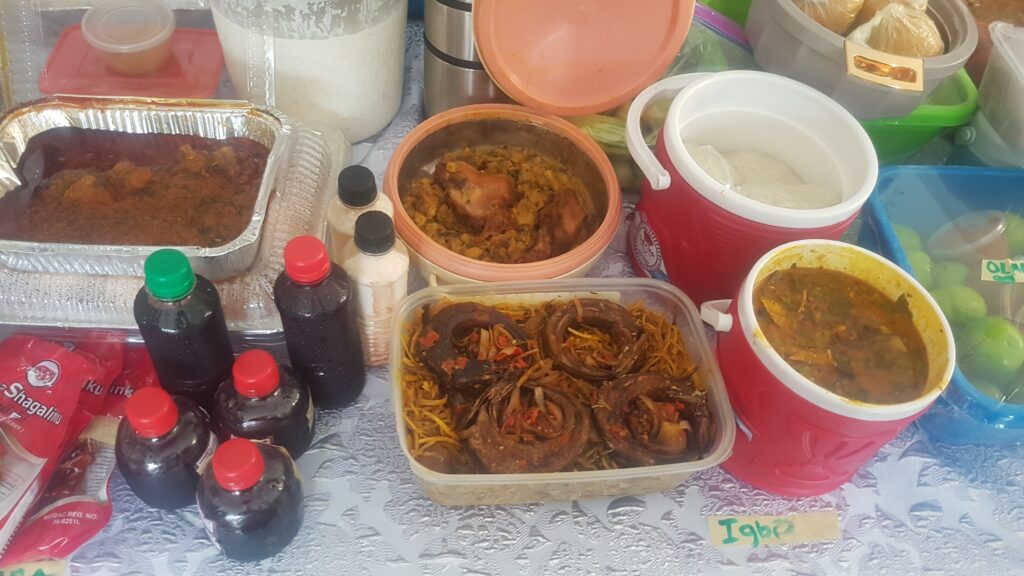
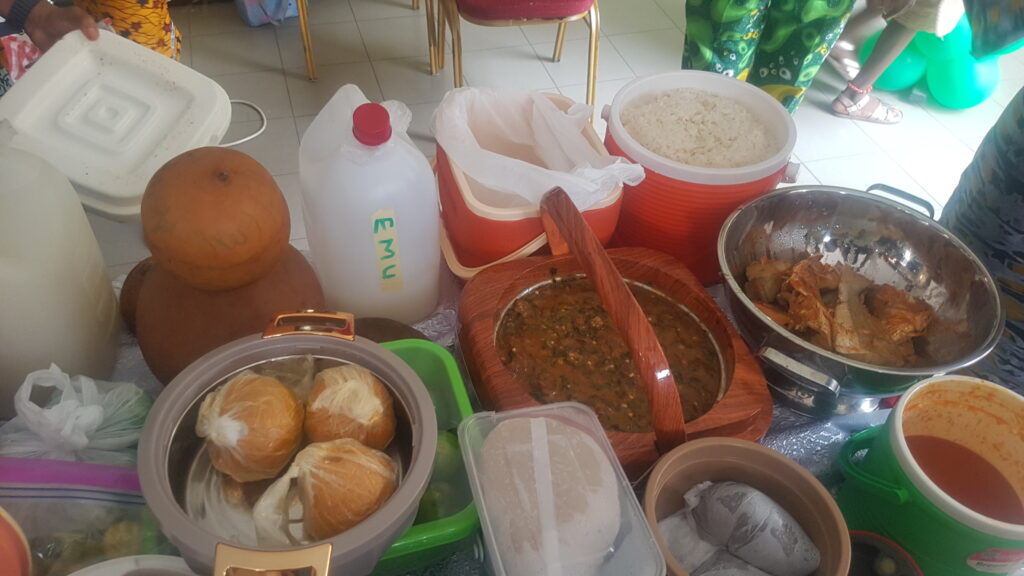
Following the energetic drum performance, the focus shifted seamlessly to the food display section. Here, parents were warmly invited to explore an impressive variety of traditional Nigerian dishes. The tables were beautifully arranged, displaying meals from different regions — from smoky jollof rice, pounded yam, and egusi soup to ofe nsala, miyan kuka, afang soup, and starch served with rich banga soup. https://tourafricamag.com/travel/best-travel-solutions-business-leisure/
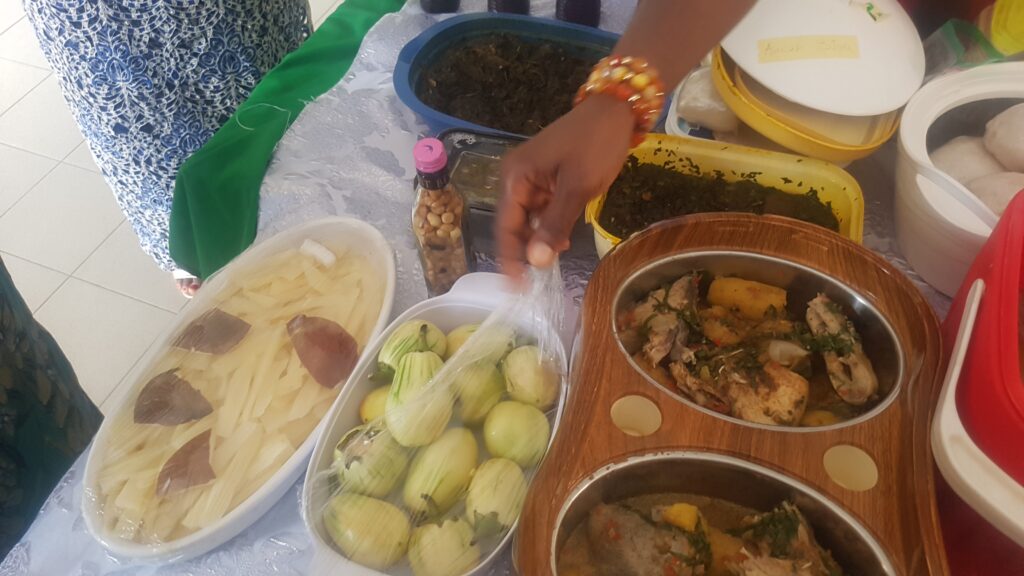
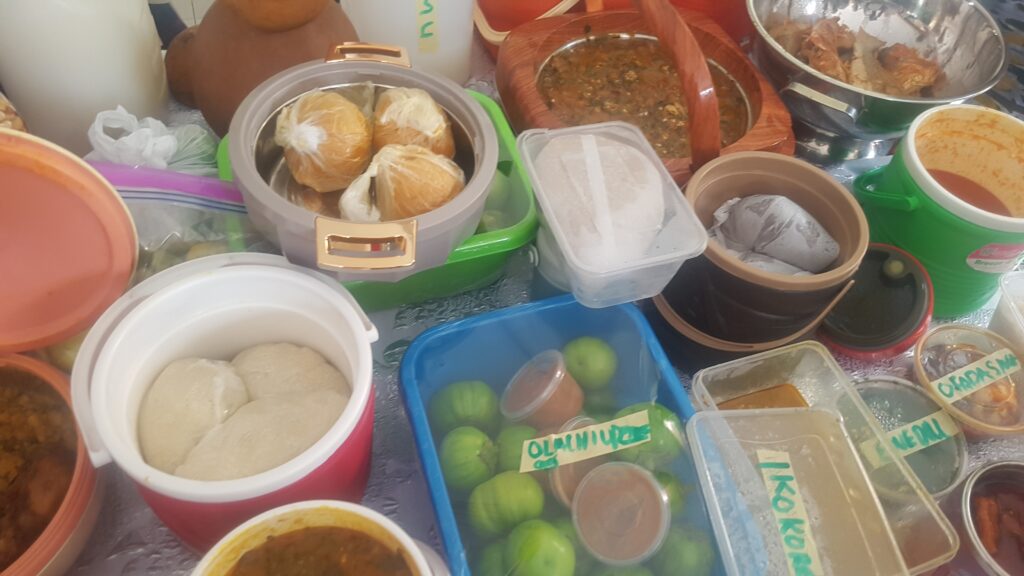
As the aromas filled the air, parents as well as guests interacted cheerfully, while appreciating the diversity each culture represented. At the same time, teachers joined in the fun, proudly dressed in their colorful traditional attires. Together, learners, parents, and teachers turned the school grounds into a lively, multicultural feast, celebrating the beauty of Nigerian heritage.
Unity in Diversity
In the end, Pampers Private School’s celebration of Nigeria’s 65th Independence Day was far more than a cultural parade — it was a heartfelt expression of unity, identity, and pride. Furthermore, learners experienced firsthand the beauty of Nigeria’s many traditions, while teachers and parents came together in harmony to support and cheer the young participants.
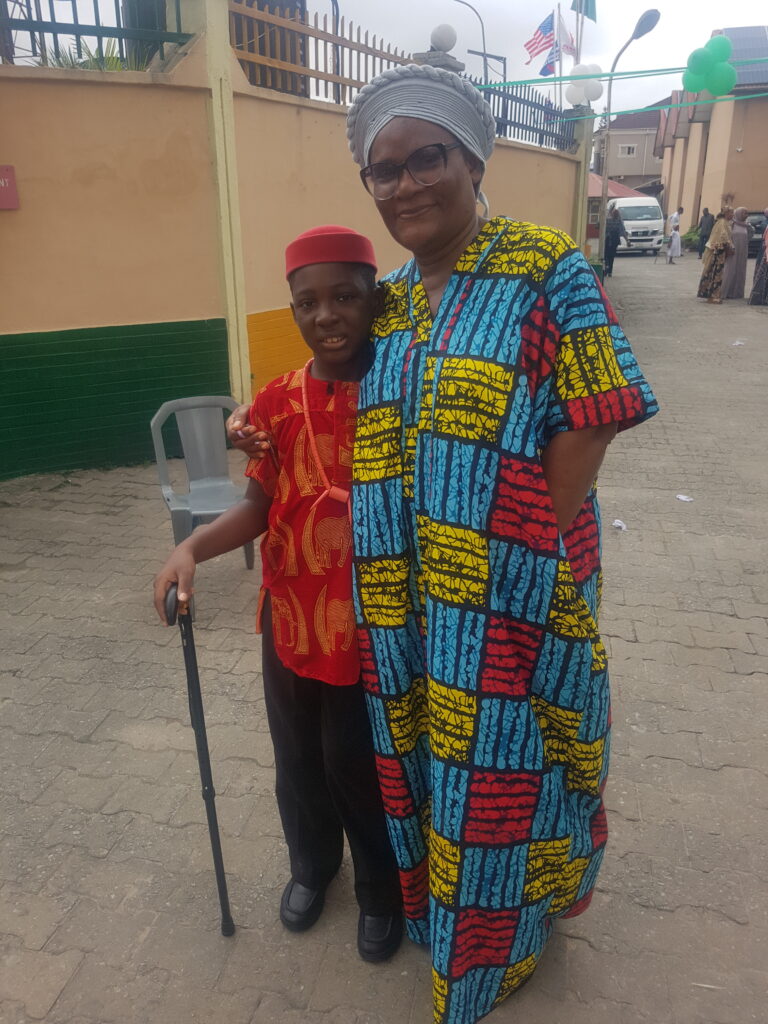
Ultimately, the event reflected the school’s strong commitment to promoting cultural awareness, national pride, and inclusion. Laughter, applause, and joy filled the air as everyone departed with lasting memories — proof that when Nigeria’s diverse cultures come together, they create something truly extraordinary. https://education.gov.ng
Frequently Asked Questions (FAQs): Nigeria 65th Independence Cultural Day
Pampers Private School’s 65th Independence Cultural Celebration FAQs
Q1: What activities took place during the celebration at Pampers Private School?
Learners, teachers, and parents enjoyed cultural parades, traditional dances, prayers, a talking drum performance, and a food display. Additionally, each activity celebrated Nigeria’s unity and cultural richness in a lively atmosphere.
Q2: Who participated in the event?
Everyone joined in — learners, teachers, as well as parents proudly represented diverse Nigerian tribes through attire, music, and dance.
Q3: Why is Nigeria’s 65th Independence Cultural Day important?
In fact, the celebration helps learners appreciate Nigeria’s history while encouraging pride, unity, and respect for cultural diversity.
Q4: What made this year’s celebration unique?
The live talking drum performance, colourful cultural displays, and active participation from parents made the event truly unforgettable.
Nigeria’s 65th Independence Day FAQs — National Context and Meaning
Q5: What is the official theme for Nigeria’s 65th Independence Anniversary, and what does it mean?
The 2025 theme, “Unity in Progress,” highlights resilience, teamwork, and the nation’s continuous growth through collaboration.
Q6: What government-led activities marked the 65th Independence Day in Nigeria?
Nationwide parades, school competitions, interfaith prayers, and cultural showcases took place across states, celebrating unity and progress.
Q7: How do cultural performances like the talking drum symbolize Nigerian heritage?
The talking drum reflects communication, celebration, and storytelling in Yoruba culture — symbolizing how art connects people across tribes.
Q8: Why is national unity and patriotism emphasized in this year’s commemorations?
Unity, in addition to, patriotism remind Nigerians that our strength lies in diversity, shared history, and collective progress.
Q9: How can communities and schools foster the spirit of progress on Independence Day?
They can host cultural exhibitions, debates, and art displays that teach children teamwork, history, and pride in Nigerian heritage. https://statehouse.gov.ng
Call to Action (CTA)
👉 Keep celebrating Nigeria everyday. Furthermore, appreciate cultural diversity, promote unity, and nurture pride in our national heritage.
Follow Tour Africa Magazine for inspiring stories that highlight Africa’s culture, creativity, and educational excellence. Additionally, let’s continue celebrating the beauty and diversity that make Nigeria truly remarkable.