
Introduction: African Fashion Trends 2026
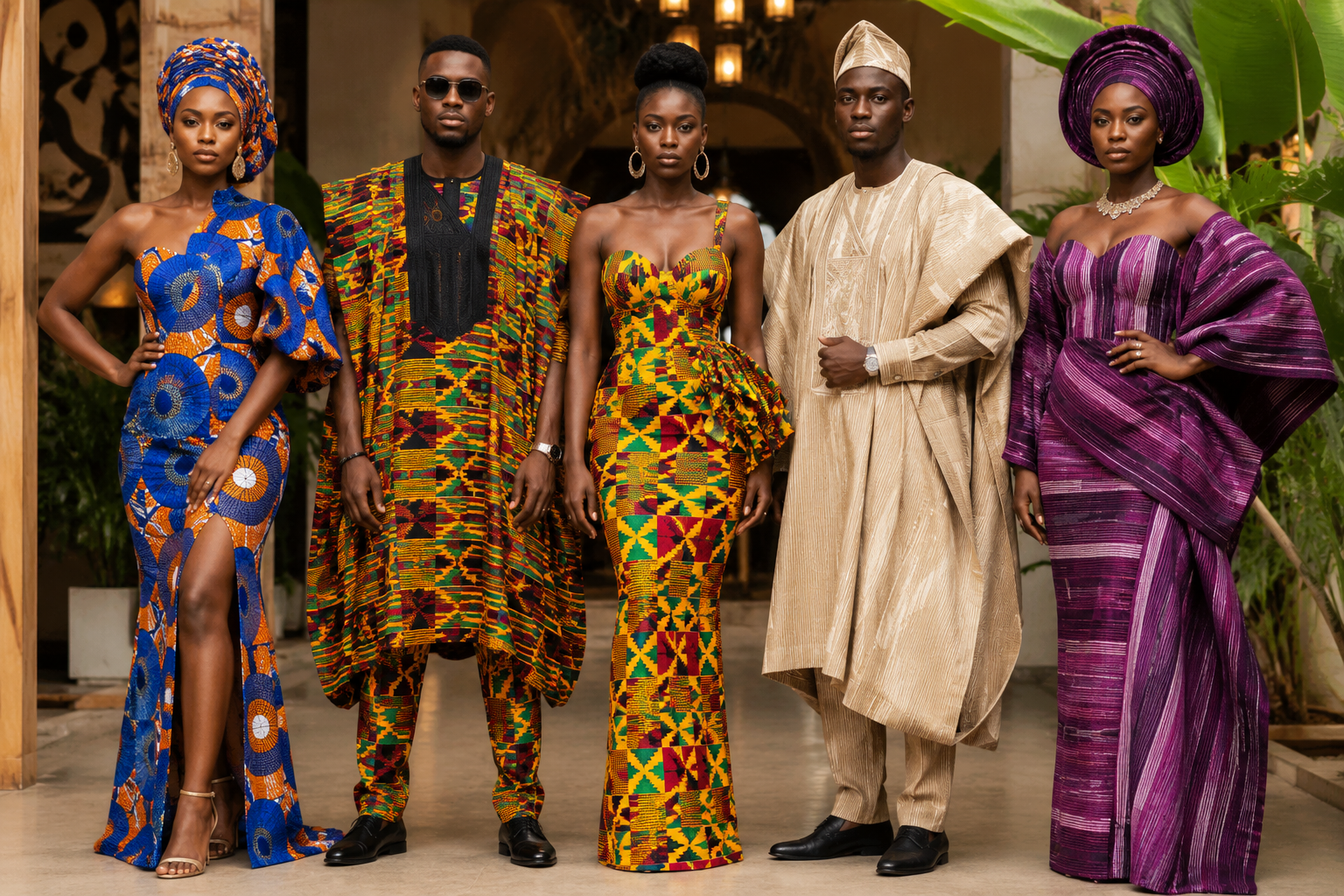
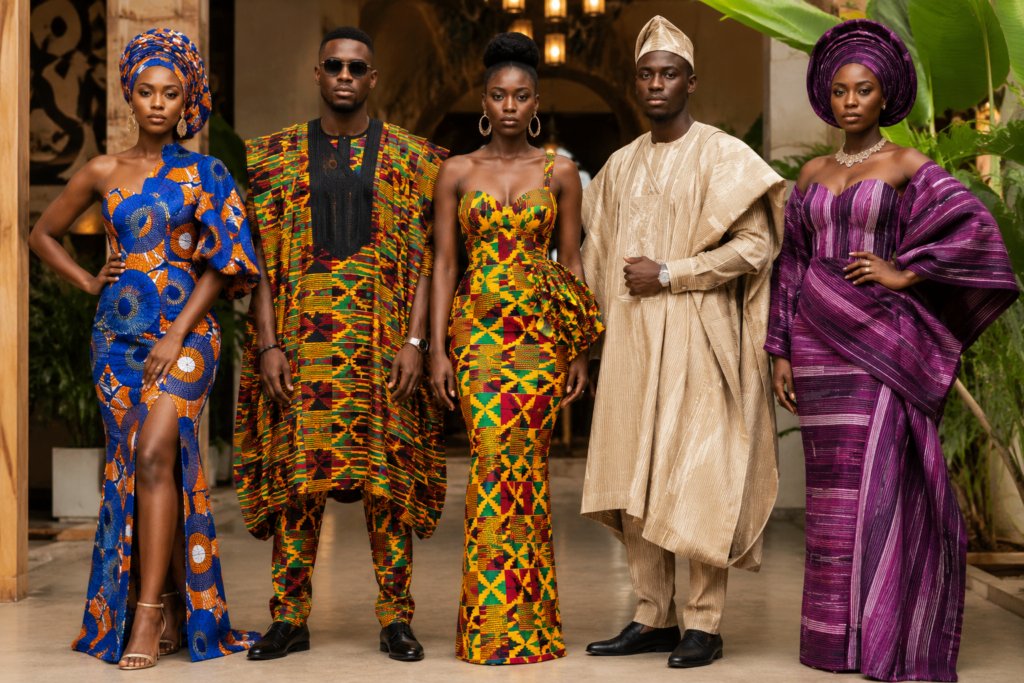
African fashion is no longer a regional movement. Today, it shapes global runways, inspires luxury brands, and attracts travelers seeking authentic cultural experiences. From vibrant Ankara prints to elegant Aso Oke fabrics, African designers continue to redefine modern fashion while preserving centuries-old traditions.
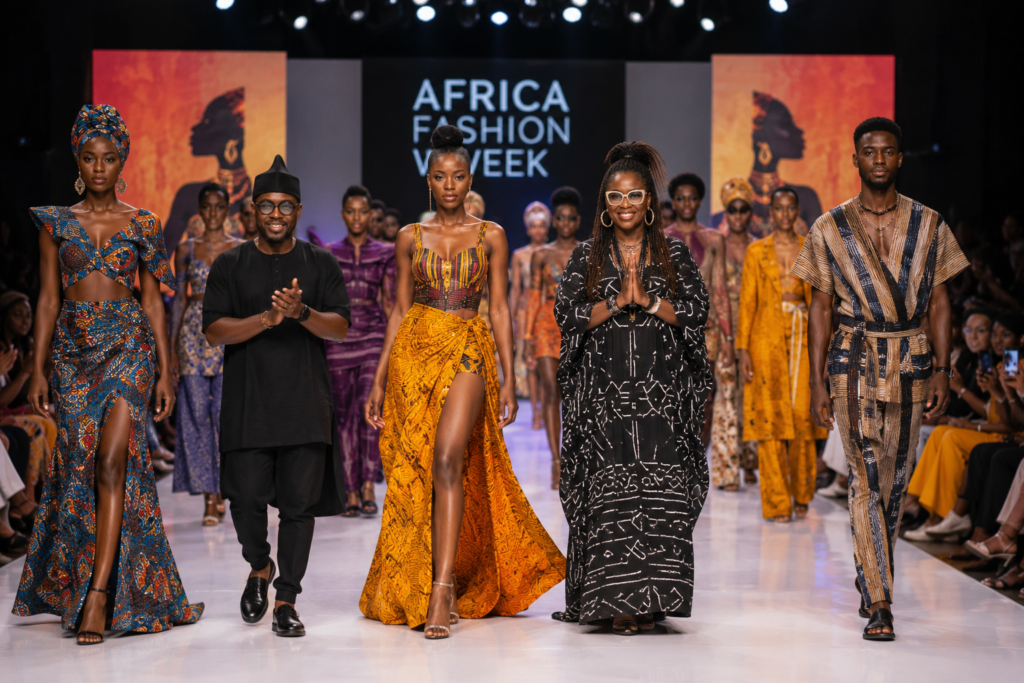
Moreover, fashion has become an important part of tourism. Visitors now travel across Africa to attend fashion weeks, explore local textile markets, and discover handcrafted clothing. Consequently, African fashion contributes significantly to cultural tourism and the creative economy.
This comprehensive guide explores the latest African fashion trends in 2026, leading designers, sustainable practices, must-have accessories, and styling tips.
Why African Fashion Is Growing Worldwide
African fashion celebrates identity, creativity, and heritage. Unlike fast fashion, many African designers emphasize craftsmanship and storytelling. UNESCO
Several factors explain its global popularity:
- Rich cultural heritage
- Sustainable production
- Handmade craftsmanship
- Ethical sourcing
- Celebrity endorsements
- International fashion weeks
- Digital fashion marketing
Furthermore, social media has made African fashion accessible to audiences around the world.
The Biggest African Fashion Trends in 2026
Bold Ankara Prints
Ankara remains one of Africa’s most recognizable fabrics. Designers now combine traditional prints with contemporary tailoring to create elegant dresses, suits, jackets, and casual wear.
Popular Ankara styles include:
- Maxi dresses
- Two-piece outfits
- Jumpsuits
- Blazers
- Corporate wear

Sustainable Fashion
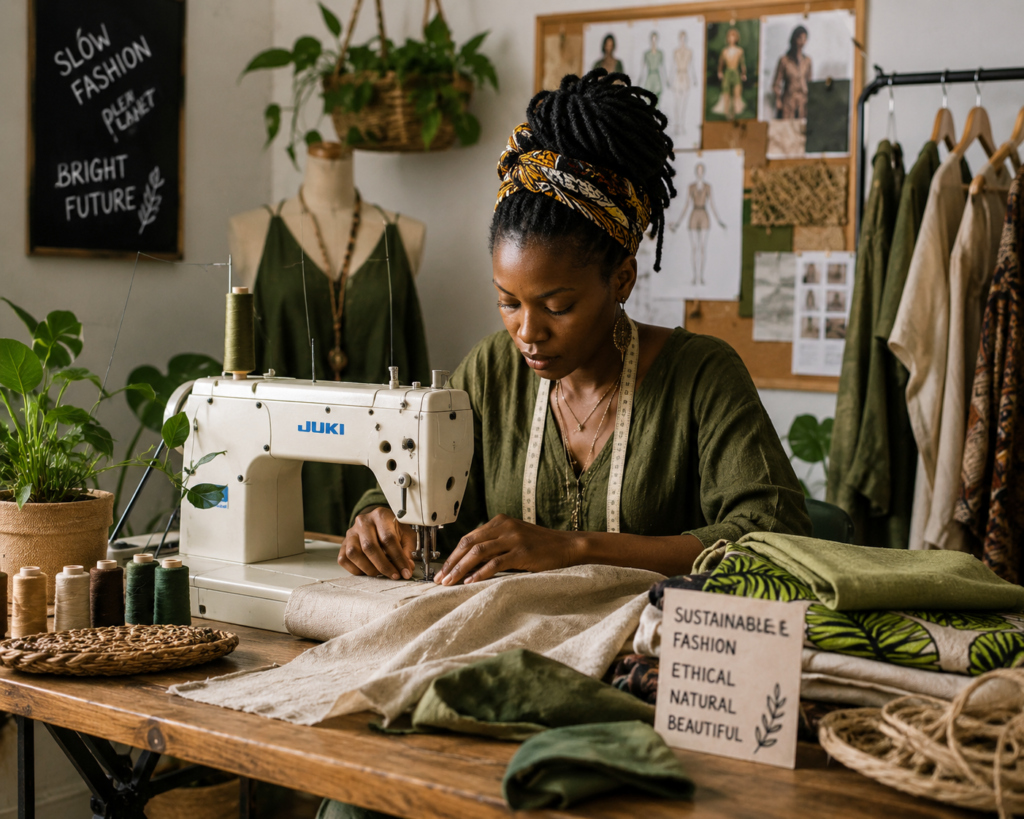
Sustainability has become one of the strongest fashion trends across Africa.
Many designers now focus on:
- Organic cotton
- Recycled fabrics
- Ethical production
- Handmade textiles
- Eco-friendly dyes
As consumers become environmentally conscious, sustainable fashion continues to grow.
Modern Aso Oke Designs
Traditionally worn during weddings and festivals, Aso Oke now appears in:
- Jackets
- Handbags
- Shoes
- Hats
- Evening gowns
Consequently, younger generations increasingly embrace traditional fabrics in everyday fashion.
Luxury African Fashion
Luxury African brands now compete internationally by combining premium materials with cultural artistry.
Common features include:
- Hand embroidery
- Custom tailoring
- Premium leather
- Limited collections
- Artisan craftsmanship
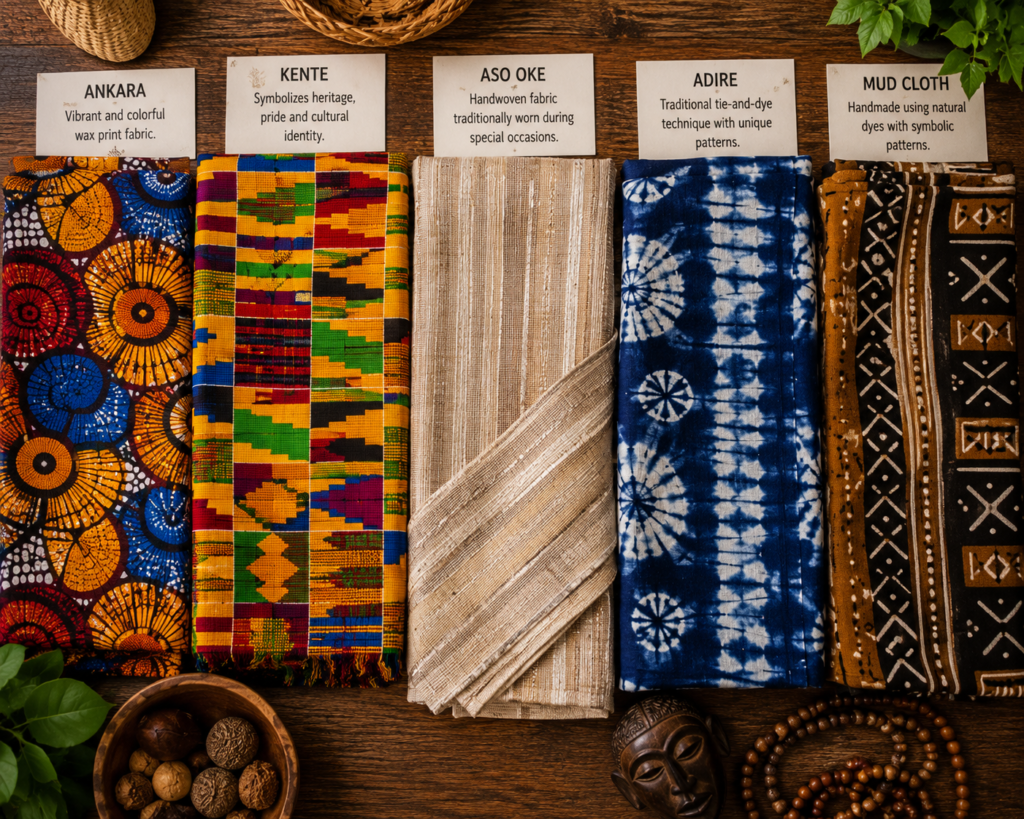
Popular African Fabrics
Africa produces numerous iconic textiles.
Ankara
Colorful wax-print fabric suitable for everyday and formal wear.
Aso Oke
Handwoven Yoruba fabric often worn during ceremonies.
Kente
A brightly colored woven fabric originating from Ghana that symbolizes status, history, and culture.
Adire
Traditional tie-and-dye fabric featuring artistic patterns.
Mud Cloth
A handmade textile from Mali known for its earthy tones and symbolic designs.
African Traditional Clothing Market Trends in 2026
African traditional clothing is experiencing renewed interest in 2026 as designers, consumers, travelers, and fashion businesses find new ways to combine cultural heritage with contemporary style. Traditional fabrics and clothing are increasingly being adapted for modern wardrobes, special occasions, tourism experiences, and international fashion markets.
Several trends are shaping the African traditional clothing market in 2026.
Growing Demand for Traditional-Inspired Fashion
Traditional African clothing is increasingly being reinterpreted for modern lifestyles. Designers are incorporating cultural fabrics, patterns, embroidery, weaving, and indigenous techniques into contemporary dresses, suits, jackets, skirts, shirts, accessories, and other fashion pieces.
This allows traditional clothing to remain culturally relevant while appealing to younger consumers and international audiences.
Modern Designs Using Traditional Fabrics
One of the strongest trends is the combination of traditional textiles with modern cuts and silhouettes.
Fabrics such as Ankara, Aso Oke, Kente, Adire, and Mud Cloth are being used beyond their traditional settings. Designers are incorporating them into contemporary workwear, casual clothing, evening fashion, accessories, and luxury collections.
The result is a growing market for clothing that combines African heritage with contemporary design.
Rising Interest in Locally Made African Fashion
Consumers are increasingly interested in clothing that has a clear cultural story and connection to its place of origin. This creates opportunities for local designers, textile producers, artisans, tailors, weavers, dyers, and other creative businesses.
Buying locally made African clothing can also help support craftsmanship and preserve traditional textile techniques.
Traditional Clothing Meets Sustainable Fashion
Traditional African textile production can complement the growing interest in sustainable fashion.
Handwoven fabrics, locally produced textiles, artisanal techniques, clothing made in smaller quantities, and the reuse of existing fabrics can all contribute to more responsible fashion practices when production is managed sustainably.
This connection between cultural heritage and sustainability is becoming increasingly important to fashion-conscious consumers.
Digital Platforms Are Expanding Market Access
Social media, e-commerce websites, digital fashion showcases, and online marketplaces are making it easier for African fashion businesses to reach customers beyond their local markets.
A designer or artisan can now showcase traditional clothing to customers in other African countries and international markets without relying entirely on physical retail stores.
For small fashion businesses, digital marketing therefore provides an important opportunity to build visibility and reach new audiences.
African Traditional Clothing and Cultural Tourism
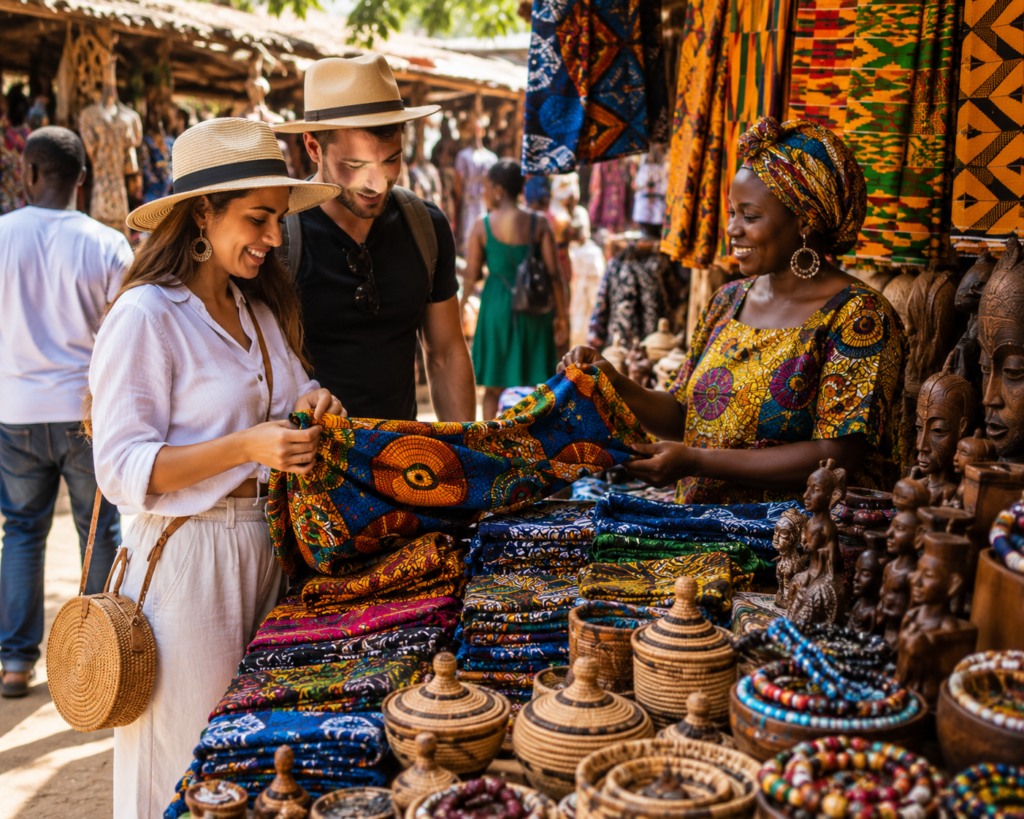
Traditional clothing also has an important connection with tourism. Travelers often seek authentic cultural experiences, including traditional dress, textile markets, craft workshops, cultural festivals, and locally made fashion.
Fashion businesses can therefore benefit from the growing relationship between traditional clothing, cultural heritage, and tourism.
For destinations across Africa, traditional fashion can become part of the visitor experience while creating opportunities for local designers and artisans.
The Future of the African Traditional Clothing Market
African Fashion Trends 2026. The African traditional clothing market is likely to continue evolving as designers balance cultural preservation with contemporary consumer preferences. The strongest opportunities will come from combining authentic craftsmanship, innovative design, sustainable practices, digital marketing, and access to wider markets.
For consumers, this means more opportunities to wear African traditional clothing in ways that feel both culturally meaningful and modern.
Fashion Tourism in Africa
Fashion tourism continues to expand across the continent.
Travelers increasingly visit destinations to:
- Attend fashion weeks
- Buy handmade clothing
- Learn textile production
- Visit craft markets
- Meet local designers
As a result, fashion has become a major attraction alongside wildlife, beaches, and cultural festivals. Read the article on Zanzibar Vacation Outfits
How to Style African Fashion
Anyone can wear African fashion confidently by following these simple tips.
- Mix African prints with neutral colors.
- Choose one bold statement piece.
- Match accessories carefully.
- Wear comfortable footwear.
- Support local designers whenever possible.
Additionally, confidence remains the best accessory. Read gtco fashion weekend
African Fashion AccessoriesAccessories complete every outfit.
Popular choices include:
- Beaded necklaces
- Handmade earrings
- Leather sandals
- Woven handbags
- Headwraps
- Bracelets
- Raffia hats
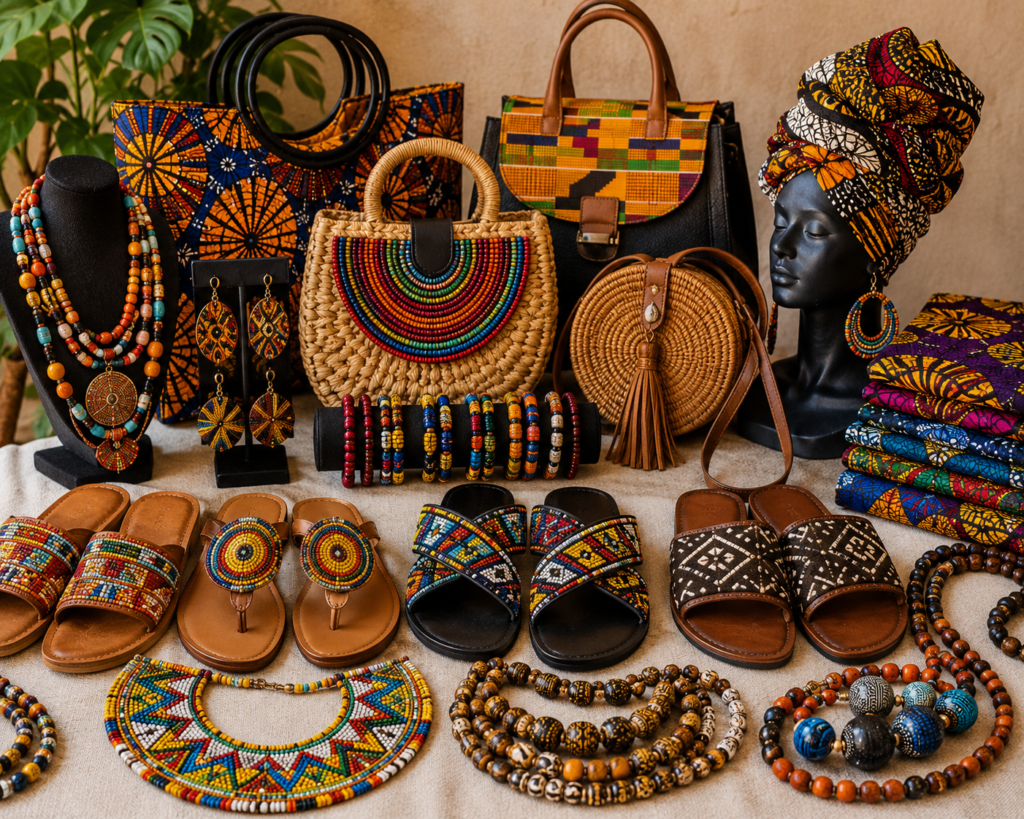
These pieces add authenticity and elegance.
Benefits of Buying African Fashion
Choosing African fashion offers several advantages.
- Supports local artisans
- Preserves cultural heritage
- Promotes sustainability
- Encourages ethical fashion
- Provides unique designs
- Boosts local economies
Therefore, purchasing African clothing creates both social and economic impact.
Future of African Fashion
African fashion will continue expanding internationally.
Emerging trends include:
- Artificial intelligence in fashion design
- Digital fashion shows
- Smart textiles
- Virtual fitting rooms
- Circular fashion
- Eco-friendly production
Consequently, Africa is expected to become one of the world’s leading fashion innovation hubs.
Frequently Asked Questions (FAQ)What is African fashion?
African fashion combines traditional textiles, cultural heritage, and modern design to create unique clothing and accessories.
Why is African fashion becoming popular?
Its popularity comes from sustainability, originality, craftsmanship, cultural identity, and international recognition.
Which African fabric is the most popular?
Ankara remains one of the most widely recognized African fabrics globally.
Is African fashion sustainable?
Yes. Many African designers prioritize ethical production, handmade textiles, natural fabrics, and environmentally friendly manufacturing.
What is fashion tourism?
Fashion tourism involves traveling to experience local fashion events, textile markets, designers, and cultural clothing traditions.
How can tourists buy authentic African fashion?
Visit local artisan markets, fashion exhibitions, cultural festivals, and designer boutiques. Buying directly from local creators helps ensure authenticity while supporting small businesses.
Conclusion
African fashion represents far more than clothing. It reflects history, identity, creativity, and innovation while supporting local communities and sustainable development. As global demand continues to rise, African designers are setting new standards in luxury, craftsmanship, and ethical fashion.
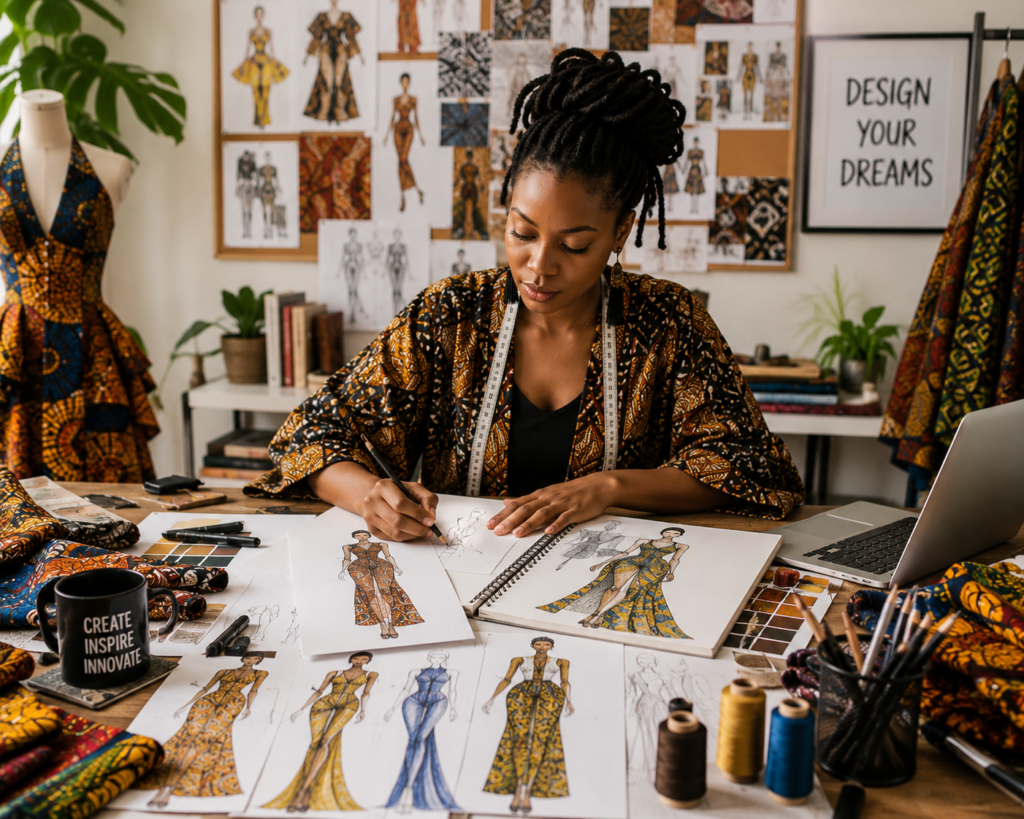
Whether you are a traveler, fashion enthusiast, or cultural explorer, embracing African fashion offers a meaningful way to connect with the continent’s rich heritage and dynamic future.