

Ojude Oba Festival: A Royal Celebration of Yoruba Heritage
Each year, the town of Ijebu-Ode in Ogun State, Nigeria, comes alive with colour, music, and unity during the Ojude Oba Festival. Typically held two days after the Islamic Eid-el-Kabir celebration, this event is a spectacular tribute to Yoruba culture. Moreover, it showcases the deep respect the Ijebu people have for their monarch, the Awujale of Ijebuland. As a result, the festival has become one of the most anticipated cultural events in Nigeria.
The Meaning Behind Ojude Oba
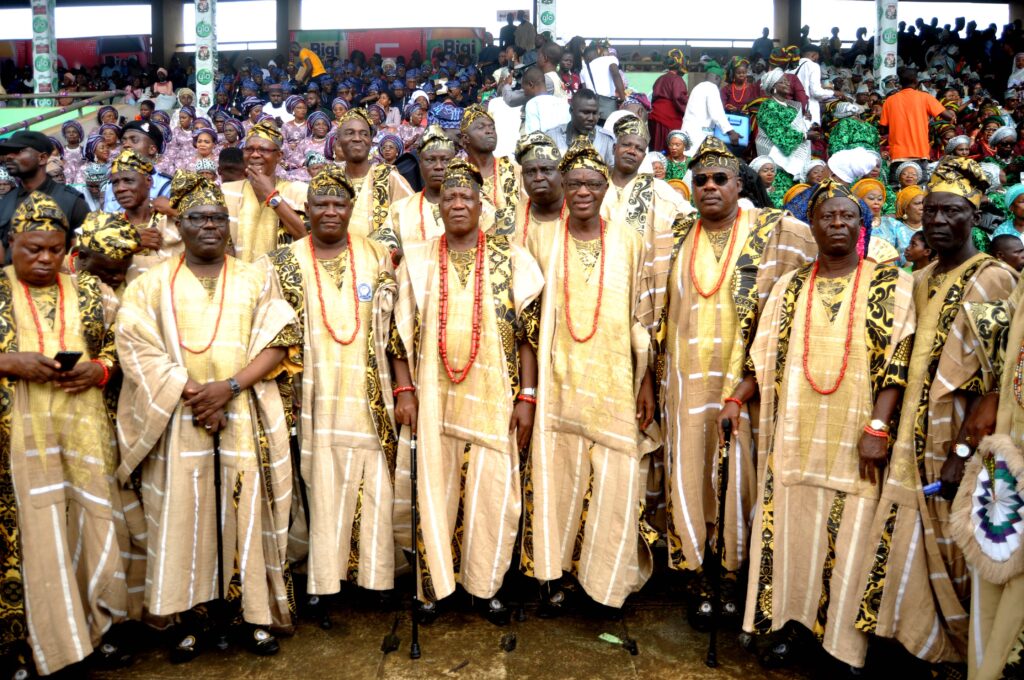
“Ojude Oba” translates to “the king’s forecourt.” Each year, it is at this symbolic site that thousands of indigenes, tourists, and well-wishers gather to pay homage to the Awujale, their traditional ruler. Originally, it was a Muslim-only celebration. However, it has now evolved into a cultural festival that transcends religion, class, and age.
Origin and Historical Significance
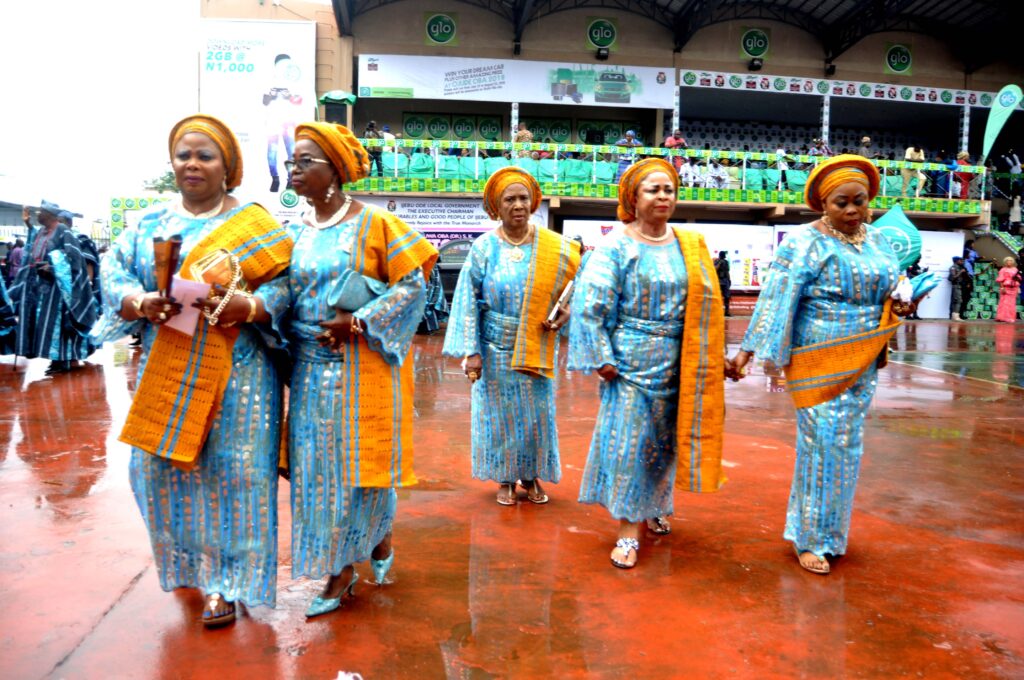
The festival dates back to over 100 years ago. Initially, it began with Muslim converts in Ijebu-Ode visiting the Awujale to express gratitude after the Eid prayers. Gradually, other groups—regardless of religion—joined in the celebration. Today, the Ojude Oba Festival has become one of the most glamorous and unifying events in Nigeria. Indeed, it reflects the rich cultural heritage and communal spirit of the Ijebu people.
A Parade of Culture and Pageantry
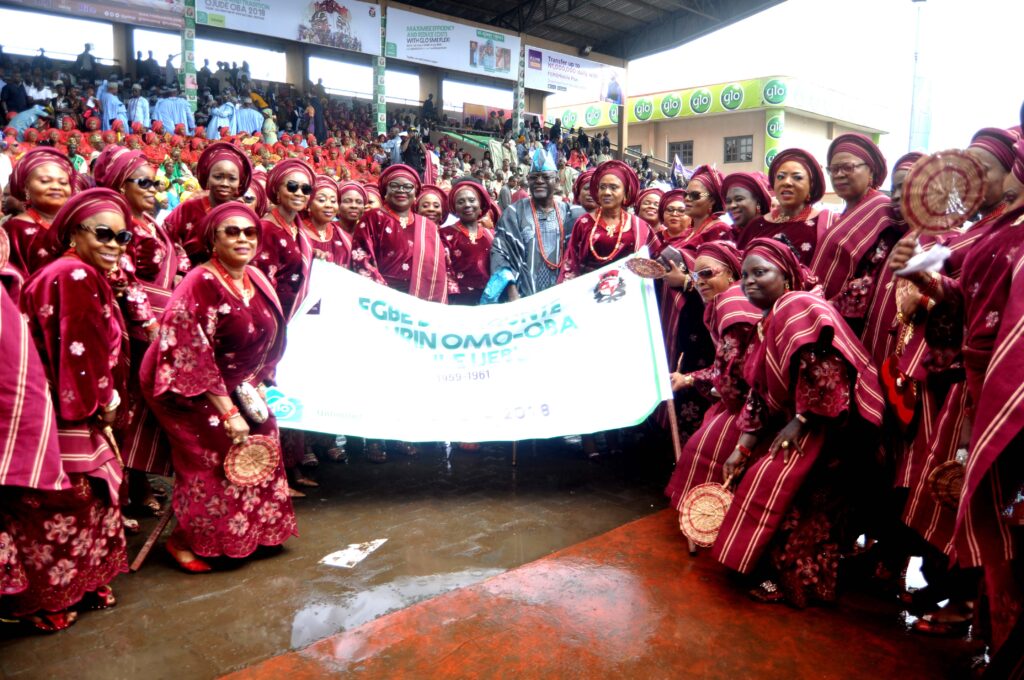
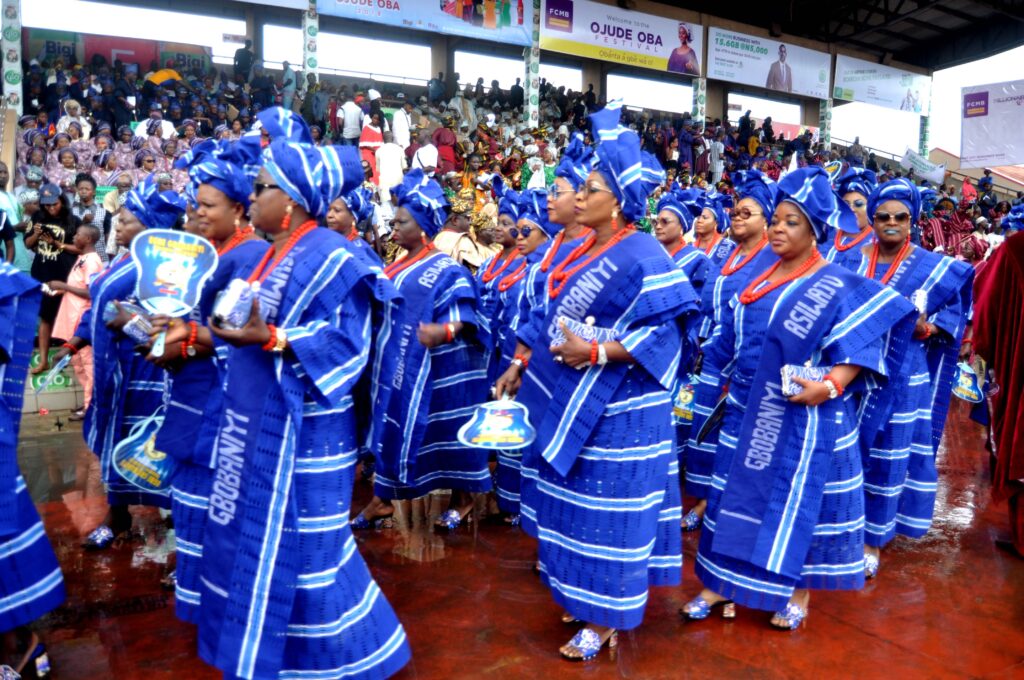
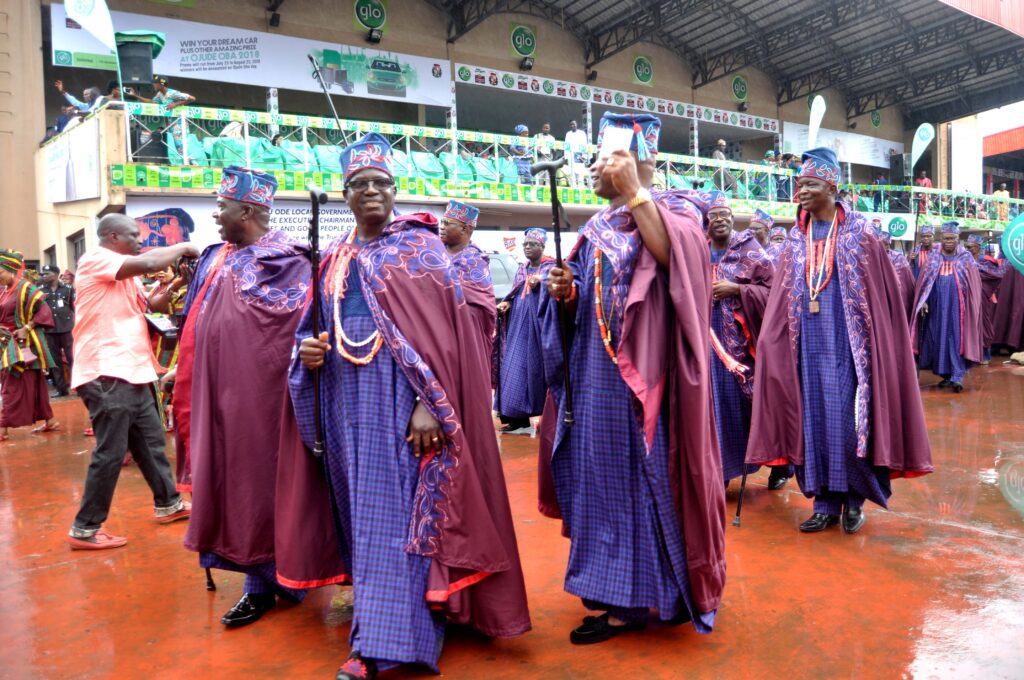
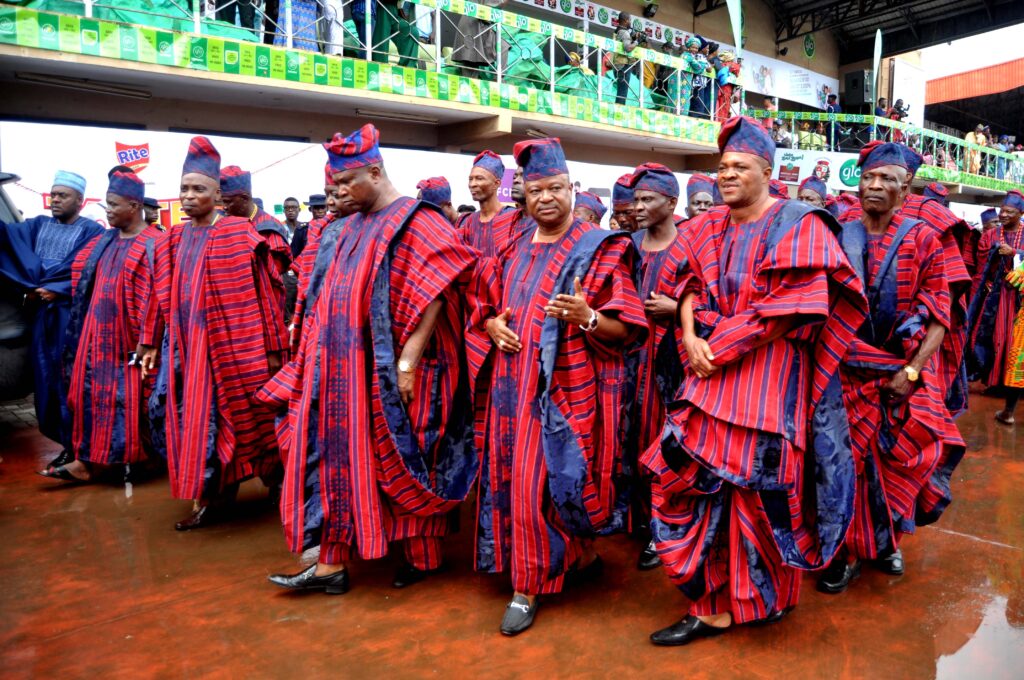
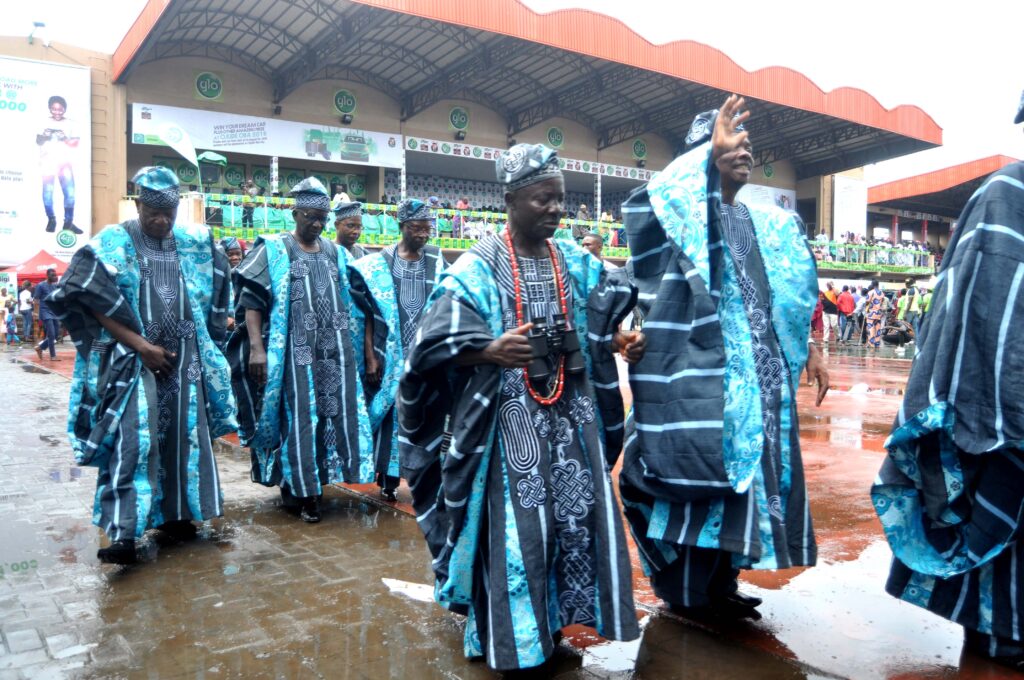
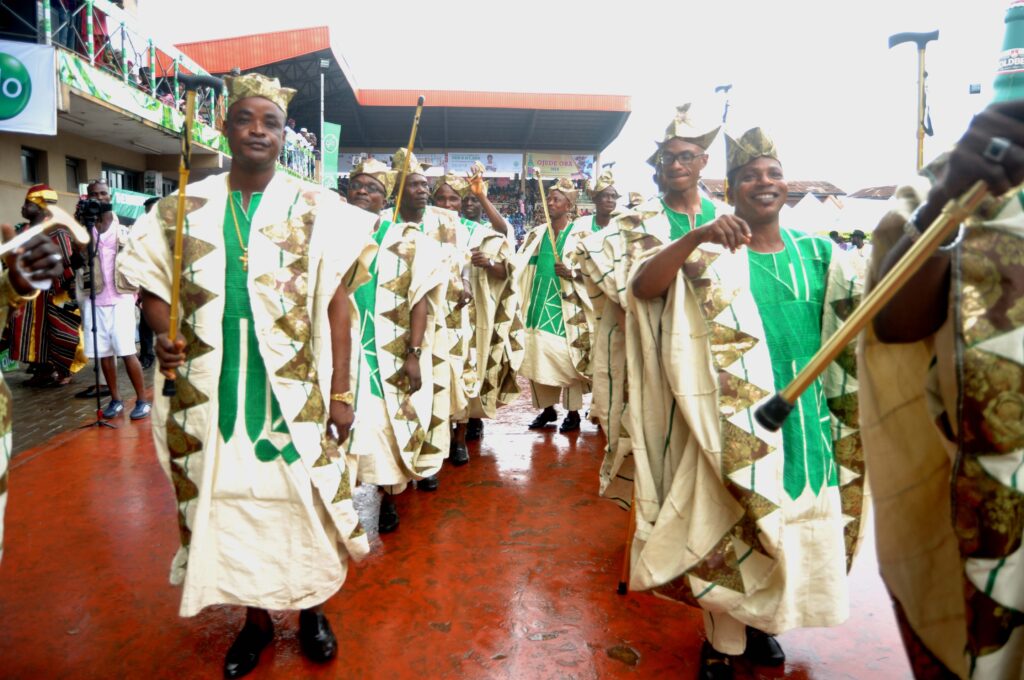
One of the major highlights of the Ojude Oba Festival is the regberegbe parade. These are age-grade groups that dress in coordinated, often elaborate, traditional outfits. Notably, each group is a delight to watch as they display graceful dance steps and colourful fashion in front of the king.
In addition, the regberegbe competition is intense. Groups are judged based on appearance, comportment, and creativity. Consequently, winners receive trophies and public recognition. Undoubtedly, it’s a moment of pride for each age group. https://en.m.wikipedia.org/wiki/Ojude_Oba_festival
Equestrian Display: Galloping in Grandeur
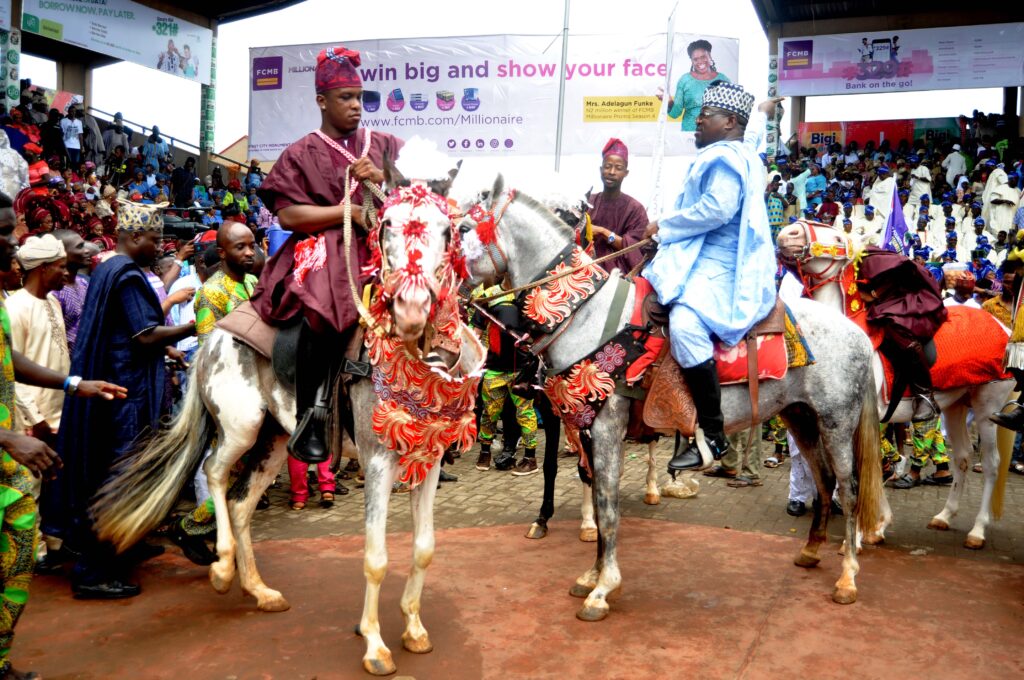
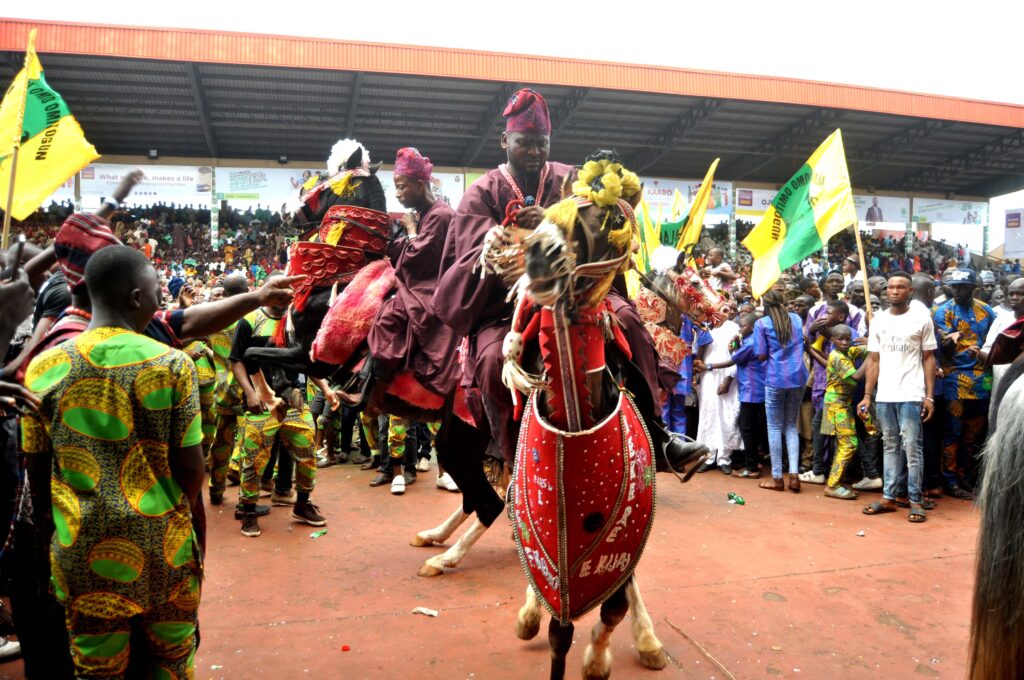
Another thrilling spectacle is the horse parade. Clad in regal fabrics and intricate embroidery, the families of prominent chiefs—especially those with ancestral links to warrior clans—arrive on horseback. As part of the tradition, these horse riders demonstrate their skills in front of the Awujale, while the crowd erupts in loud cheers and the rhythm of beating drums fills the air. Clearly, this is one of the most anticipated moments of the festival.
Unity Through Diversity
What makes the Ojude Oba Festival exceptional is how it brings together people of different religious backgrounds, age groups, and even nationalities. Whether Christian, Muslim, or traditionalist, attendees gather in unity, dressed in their finest Aso-Oke, lace, and Ankara fabrics.
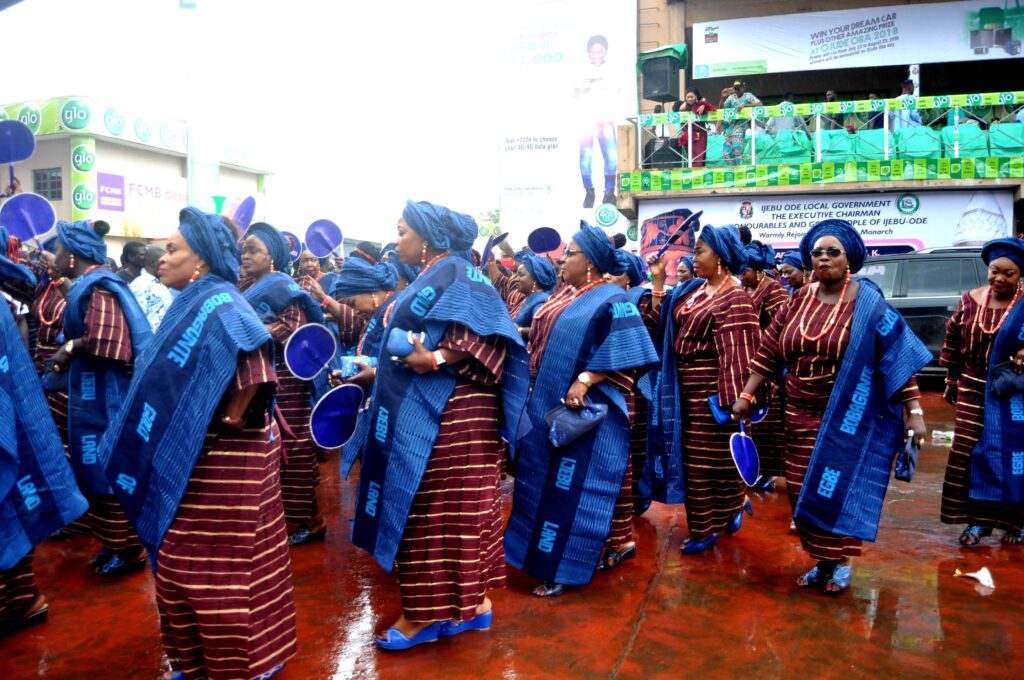
Furthermore, this unity reflects the peaceful coexistence that defines the Ijebu people. Indeed, visitors are often amazed at how religion blends seamlessly with culture at this vibrant festival. Ultimately, it stands as a powerful symbol of harmony and heritage.
A Boost for Local Tourism and Economy
The Ojude Oba Festival is not just a cultural event—it’s also a major economic driver. During the festivities, hotels are fully booked, traders enjoy brisk business, and local artisans thrive. Moreover, the festival attracts international tourists, boosting local tourism and creating job opportunities.
As a result, tour operators organize curated experiences to help visitors explore the Ijebu heritage, local markets, and surrounding historical sites. In this way, the festival benefits both the local economy and the cultural tourism sector.
Food, Music, and Merriment
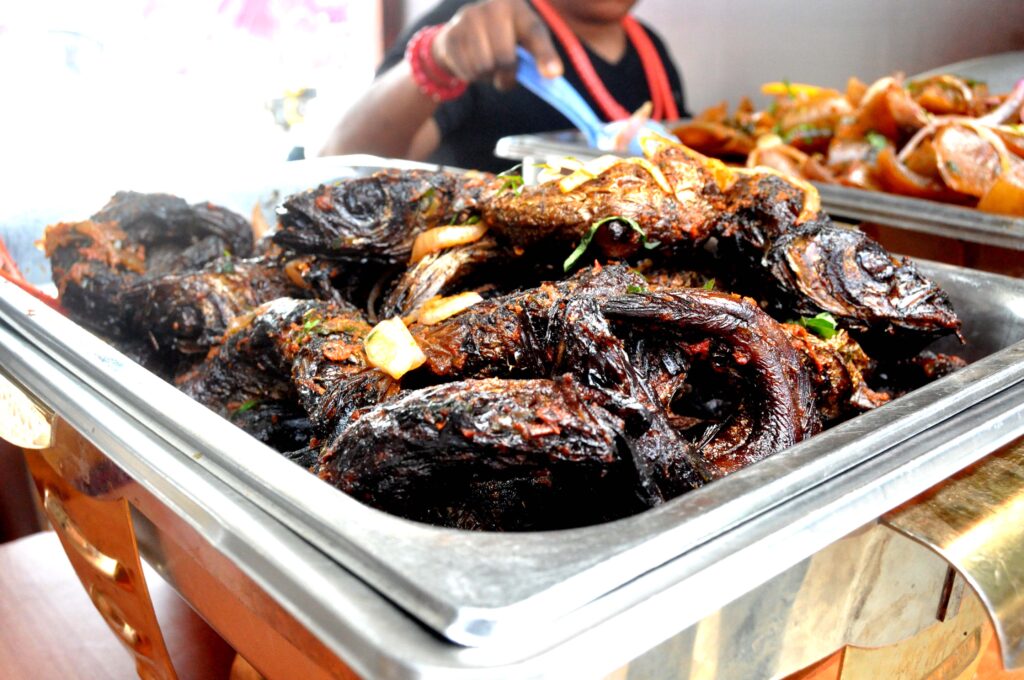
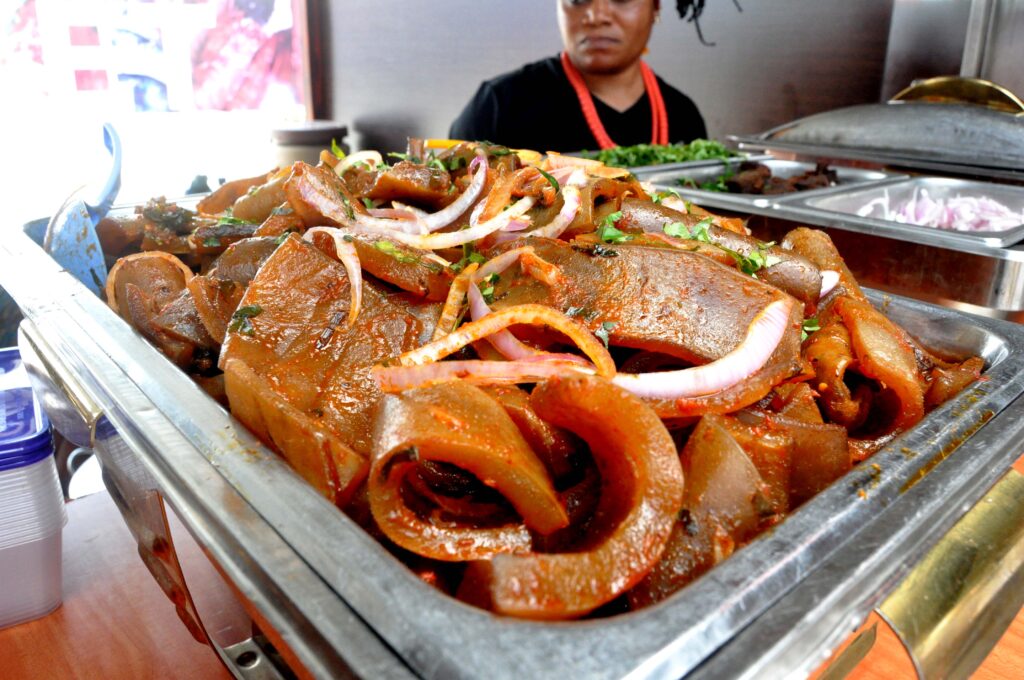
Of course, no Nigerian festival is complete without food, and Ojude Oba delivers in full. From the moment you arrive, the aroma of spicy jollof rice, pounded yam, and egusi soup fills the air—truly, there’s something for every palate. Meanwhile, music from traditional drummers and local artistes adds rhythm to the experience, creating a lively and unforgettable atmosphere.
Why You Should Attend
If you’re passionate about African culture, the Ojude Oba Festival is a must-see. Not only does it offer an immersive experience of Yoruba traditions, fashion, and hospitality, but it also provides a deeper appreciation of Nigeria’s cultural landscape. Each year, it reaffirms the resilience, beauty, and richness of Nigeria’s diverse cultural heritage.
So, pack your camera, wear your best outfit, and get ready to dance, eat, and celebrate royalty in true Yoruba style! https://tourafricamag.com/okpala-in-igbo-land/

Concluding Thoughts
The Ojude Oba Festival is more than just a cultural event—it is a celebration of identity, pride, and unity. Whether you’re a local or a tourist, attending this festival is an opportunity to connect with the soul of Yoruba tradition. Ultimately, it offers a memorable and meaningful experience that bridges generations and backgrounds.