
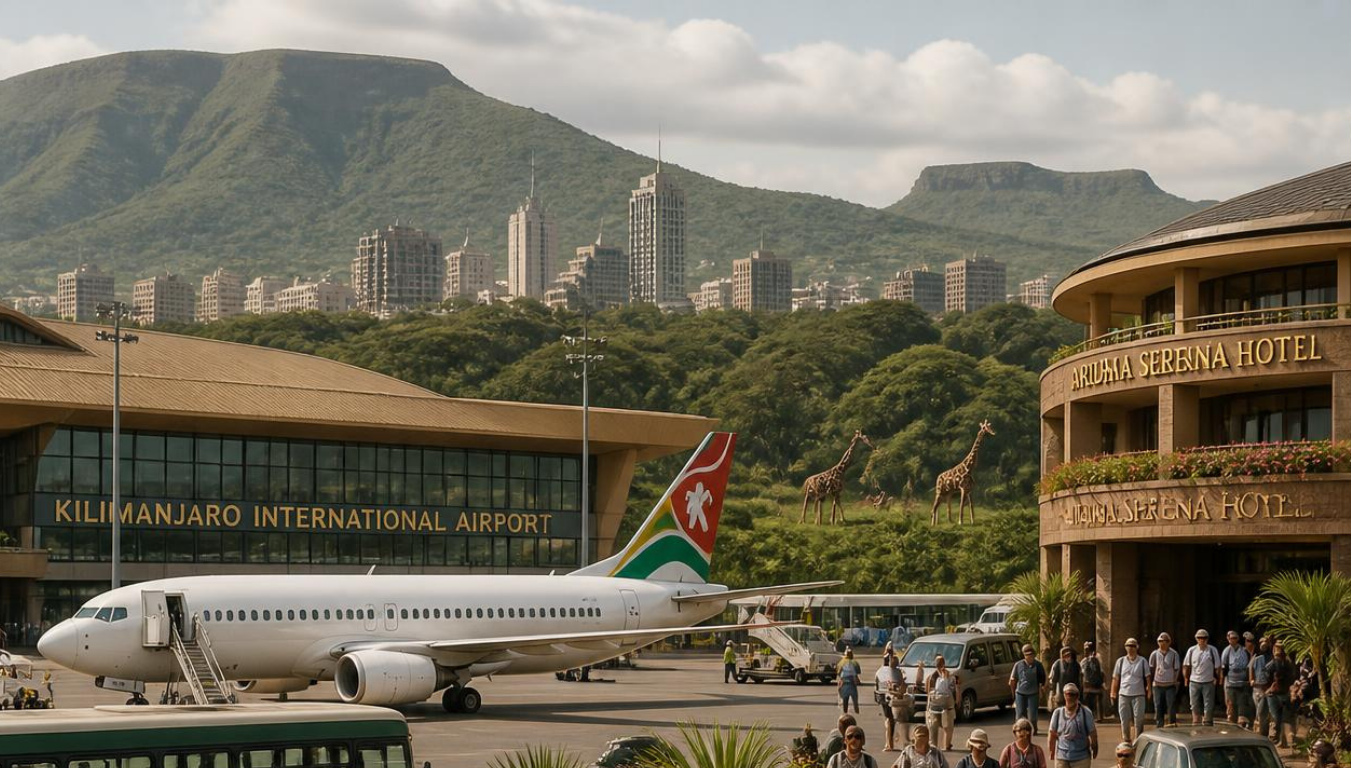
Introduction: Tourism as an engine of economic growth
Tourism as an engine of economic growth is more than holidays, sightseeing and leisure. Across Nigeria and Africa, tourism connects people, businesses, communities and governments while creating opportunities for employment, investment, entrepreneurship and economic growth.
From airlines and hotels to restaurants, tour operators, museums, entertainment companies and creative businesses, the tourism economy supports a wide network of industries. As a result, investment in tourism can generate benefits far beyond the destination itself.
For Nigeria and other African economies, the opportunity is significant. The continent has diverse landscapes, rich cultural heritage, major cities, historic sites, wildlife, festivals, cuisine and creative industries. However, unlocking this potential requires more than attracting visitors. It requires infrastructure, investment, effective policies, skills development and collaboration between the public and private sectors.
What Is the Tourism Economy?
Tourism as an engine of economic growth includes the businesses, workers, infrastructure and services that support people when they travel.
This includes:
- Airlines and airports
- Hotels, resorts and other accommodation
- Restaurants and food services
- Tour operators and travel agencies
- Transportation companies
- Attractions and entertainment
- Museums and heritage sites
- Events and festivals
- Arts, crafts and cultural businesses
- Tourism technology and digital services
Importantly, tourism also creates economic activity outside these direct businesses. A hotel, for example, may purchase food from farmers, furniture from manufacturers and services from local suppliers.
Therefore, tourism can create a wider economic chain that connects businesses across different sectors.
How Tourism Creates Jobs
One of the strongest economic benefits of tourism is employment.
Tourism as an engine of economic growth creates both direct and indirect jobs. Direct jobs exist within businesses that serve travellers, while indirect jobs develop through the wider supply chains that support tourism.
Direct Tourism Jobs
Direct tourism employment includes roles such as:
- Hotel and resort workers
- Tour guides
- Travel consultants
- Tour operators
- Airline and airport employees
- Restaurant workers
- Drivers and transport operators
- Event professionals
- Attraction and museum staff
- Recreation and entertainment workers
These jobs allow people with different levels of education and experience to participate in the economy.
Furthermore, tourism can provide opportunities for entrepreneurs and small businesses. A local guide, food vendor, photographer, craft producer or transport operator can all benefit from visitor spending.

Indirect Tourism Jobs
Tourism also supports employment beyond the front line.
For example, hotels need food, laundry services, maintenance, security, furniture, technology and transportation. Restaurants require farmers, fishermen, food processors, distributors and other suppliers.
Consequently, visitor spending can circulate through multiple parts of an economy.
This multiplier effect makes tourism particularly important for destinations seeking to expand employment and support small and medium-sized businesses.

Aviation, Hotels, Restaurants and Transportation
A strong tourism economy depends on several interconnected industries.
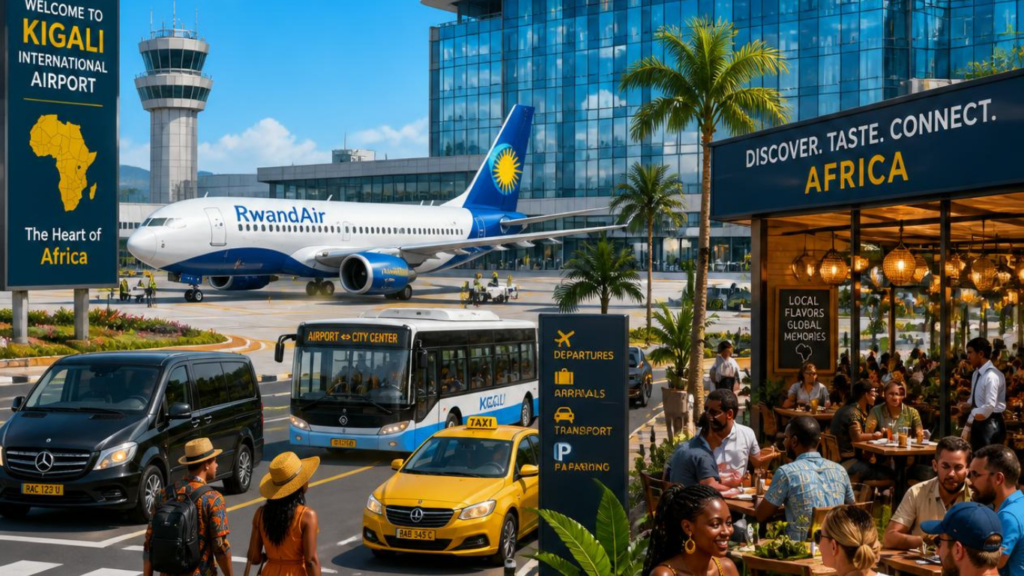
Aviation
Air transport connects destinations with domestic, regional and international markets.
When more people travel, airlines, airports, ground transportation providers and related service businesses can benefit. Improved air connectivity can also make destinations more attractive to investors and international visitors.
For Africa, stronger regional air connectivity could support both tourism and business travel.
Hotels and Accommodation
Accommodation forms another important part of the tourism value chain.
Hotels, resorts, guesthouses, serviced apartments and other accommodation providers employ workers while purchasing goods and services from other businesses.
In addition, new accommodation developments can stimulate investment in destinations that have strong tourism potential.
Restaurants and Food Services
Food is an important part of the travel experience.
Visitors spend money on restaurants, cafés, local cuisine, markets and other food experiences. This creates opportunities for chefs, farmers, food processors, caterers and hospitality businesses.
Nigeria’s diverse culinary traditions can therefore form part of a broader tourism offering.
Transportation
Visitors need to move between airports, hotels, attractions, restaurants, business districts and other destinations.
As a result, tourism supports taxis, buses, car-hire companies, ride-hailing services, tour vehicles, rail services and other forms of transportation.
Efficient transportation can also improve the visitor experience and encourage travellers to explore more destinations.
Tourism and Cultural and Creative Industries
Tourism and culture often reinforce each other.
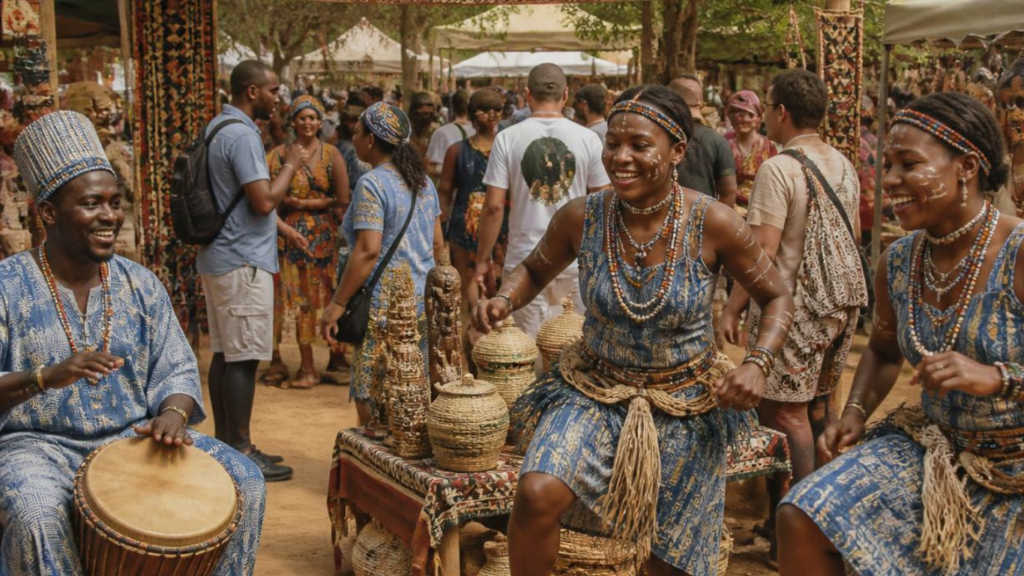
Visitors increasingly seek experiences that help them understand the identity, history and creativity of a destination. This creates opportunities for artists, musicians, filmmakers, designers, artisans, performers, photographers and cultural organisations.
Festivals can attract visitors while creating income for local businesses. Museums and heritage sites can generate visitor spending while preserving important cultural assets.
Likewise, Nigerian fashion, music, film, food and contemporary arts can contribute to the country’s tourism appeal.
Therefore, tourism should not be viewed separately from the creative economy. The two sectors can strengthen each other.
Tourism Infrastructure and Investment
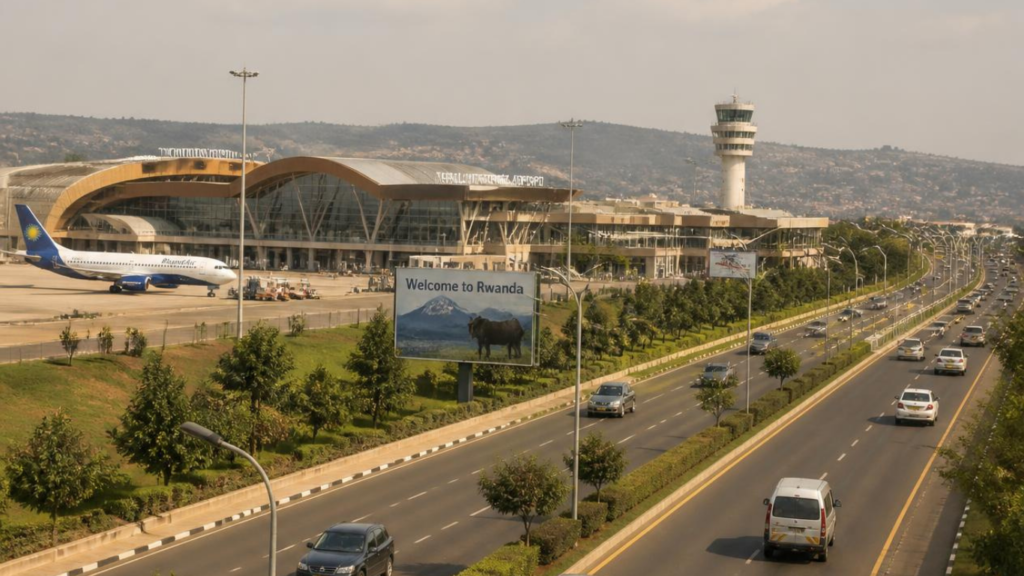
Tourism cannot grow sustainably without appropriate infrastructure.
Visitors need reliable transportation, accommodation, electricity, water, telecommunications, digital connectivity, sanitation and safe public spaces.
Infrastructure investment can therefore improve both tourism and everyday life for local communities.
For example, better roads to a tourist attraction can reduce travel time for visitors while also improving access for residents. Improved airports can support tourism while strengthening business connectivity.
Private investment also has an important role to play. Investors can develop hotels, attractions, restaurants, transportation services, technology platforms and other tourism businesses.
However, investment should focus on long-term value rather than short-term visitor numbers alone.
The Importance of Domestic Tourism
International tourism receives considerable attention, but domestic tourism is equally important.
Domestic travellers already understand local markets, languages and cultural contexts. They can also help tourism businesses generate revenue throughout the year.
For Nigeria, domestic tourism presents a major opportunity because the country has a large population and a wide range of destinations.
People can travel within Nigeria for leisure, education, business, culture, festivals, religious events, family occasions and adventure.
Developing domestic tourism can also help businesses become more resilient because they are not entirely dependent on international arrivals.
Nigeria’s Tourism Potential
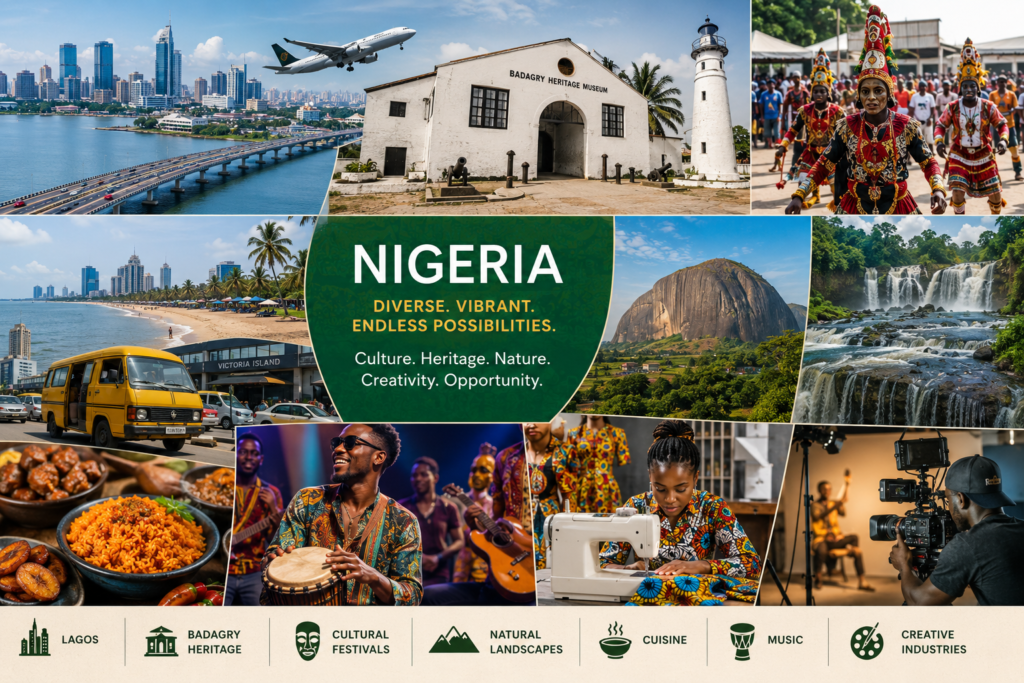
Nigeria has many assets that can support a stronger tourism economy.
These include:
- Lagos and its coastal and urban attractions
- Abuja and its landmarks
- Badagry’s historical heritage
- Osun-Osogbo and other cultural destinations
- National parks and natural landscapes
- Beaches and waterfront destinations
- Festivals and cultural celebrations
- Nigerian cuisine
- Music, film and fashion
- Museums and heritage centres
- Business and events tourism
The opportunity extends beyond individual attractions. Nigeria can develop tourism circuits that connect several destinations and experiences.
For example, a visitor could combine cultural heritage, cuisine, entertainment, nature and shopping within one travel itinerary.
This approach can increase visitor spending and encourage travellers to stay longer.
The Wider African Tourism Economy
Africa’s tourism opportunity extends across borders.
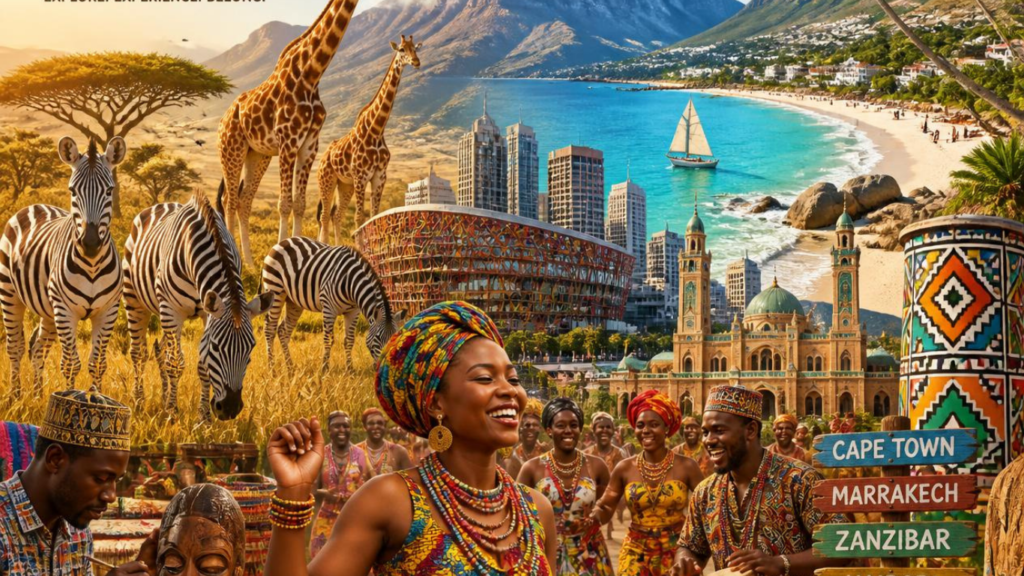
The continent offers a wide variety of tourism experiences, including wildlife, beaches, mountains, deserts, cultural heritage, adventure tourism, business travel and city experiences.
Countries can benefit individually while also strengthening regional tourism.
Cross-border tourism routes could connect destinations based on shared culture, history, geography or natural attractions.
In addition, regional cooperation can make travel easier and encourage visitors to explore multiple countries during the same trip.
Africa therefore has an opportunity to build tourism products that showcase the continent as a connected collection of destinations rather than isolated national markets.
Challenges Limiting Tourism-Led Growth
Despite its potential, tourism growth faces several challenges across Nigeria and Africa.
Infrastructure Gaps
Poor roads, limited transportation options, unreliable utilities and inadequate facilities can make destinations difficult to access.
Connectivity
Limited direct air connections and expensive travel can discourage visitors from exploring multiple African destinations.
Skills Gaps
Tourism businesses need workers with strong hospitality, customer service, digital, management and language skills.
Investment in training can therefore improve both service quality and employment opportunities.
Safety and Visitor Confidence
Travellers consider safety when choosing destinations. Governments and businesses must work together to create environments where visitors feel secure and supported.
Limited Tourism Investment
Some destinations have significant potential but lack the investment required to develop attractions, accommodation, transportation and visitor services.
Destination Marketing
A destination can have excellent attractions and still struggle to attract visitors if potential travellers do not know about them.
Effective destination marketing should therefore communicate what makes each place distinctive while providing practical information for travellers.
What Governments Can Do To Promote Tourism As An Engine Of Ecoconomic Growth
Governments play an important role in creating an environment where tourism businesses can grow.
Key priorities include:
- Improve infrastructure
Invest in roads, airports, public transportation, utilities, sanitation and digital connectivity. - Create investor-friendly policies
Make it easier for responsible investors to establish and expand tourism businesses. - Develop tourism skills
Strengthen hospitality, travel, digital marketing, management and customer-service training. - Support domestic tourism
Encourage residents to explore destinations within their own countries. - Protect cultural and natural assets
Tourism growth should preserve the resources that attract visitors in the first place. - Improve destination marketing
Promote destinations through coordinated digital and traditional marketing strategies. - Strengthen tourism data
Reliable data can help governments and businesses understand visitor behaviour, spending patterns and investment opportunities.
What Businesses Can Do
Businesses also have a major role in developing tourism economies.
Tourism companies can invest in better customer experiences, digital services, staff training and innovative tourism products.
They can also collaborate with local communities and suppliers.
For example, hotels can source more products locally, tour operators can employ local guides and attractions can work with local artists and cultural organisations.
Such partnerships can help ensure that tourism revenue reaches a wider part of the economy.
Why Sustainable Tourism Matters
Tourism growth should create lasting economic and social value.
If destinations attract visitors without protecting their environment, culture and communities, tourism can eventually undermine the very assets that make the destination attractive.
Sustainable tourism therefore requires a balance between economic growth, environmental protection and community benefits.
This means managing visitor numbers where necessary, protecting heritage sites, reducing waste, supporting local businesses and involving communities in tourism development.
The goal should not simply be to attract more visitors. The goal should be to create better tourism outcomes.
Tourism as an Economic Ecosystem
Tourism works best when policymakers and businesses view it as an ecosystem rather than a single industry.
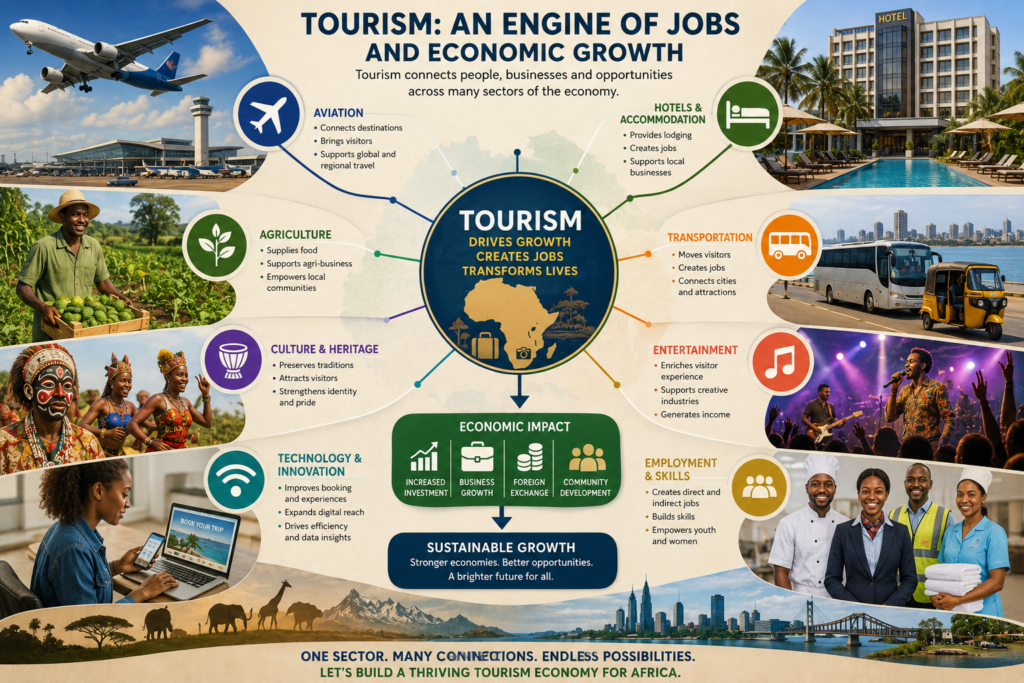
A visitor may buy an airline ticket, take a taxi, stay in a hotel, eat at a restaurant, visit an attraction, purchase local products and attend an event.
Each transaction can create income for another business or worker.
Therefore, tourism policy should consider the connections between transportation, hospitality, agriculture, culture, entertainment, technology, manufacturing and other sectors.
This broader perspective can help countries maximise the economic value of every visitor.
The Opportunity Ahead for Nigeria and Africa
Nigeria and Africa have many of the ingredients required to build stronger tourism economies.
The opportunity lies not only in attracting international tourists but also in developing domestic travel, improving regional connectivity, supporting entrepreneurs and encouraging investment.
Technology can further expand this opportunity. Digital booking platforms, social media, virtual tourism, online travel information and data-driven destination marketing can make African tourism products more visible and accessible.
However, growth will require coordinated action.
Governments need to create the right environment. Businesses need to invest and innovate. Communities need to participate. Tourism professionals need to develop their skills. And destinations need to protect the cultural and natural resources that make them unique.
Conclusion: Turning Tourism Potential into Sustainable Economic Growth
Tourism as an engine of economic growth. Tourism can become a powerful engine of jobs, investment and economic growth in Nigeria and across Africa.
Its impact reaches far beyond hotels and tour operators. Tourism connects aviation, transportation, agriculture, food, culture, entertainment, creative industries, technology and small businesses.
For Nigeria, the opportunity is particularly significant. The country has a large domestic market, diverse cultural assets, major cities, natural attractions and a growing creative economy.
Yet potential alone does not create economic growth.
Nigeria and other African countries must invest in infrastructure, skills, connectivity, destination development, responsible tourism and private-sector participation.
When these elements work together, tourism can generate employment, support entrepreneurship, attract investment and create new economic opportunities.
The objective should therefore be clear: turn Africa’s tourism potential into sustainable economic value for businesses, workers, communities and future generations.
Frequently Asked Questions About Tourism and Economic Growth
How does tourism contribute to economic growth?
Tourism contributes to economic growth by generating visitor spending, supporting businesses, creating employment and encouraging investment in infrastructure and tourism services. Its economic impact can extend across transportation, accommodation, food, culture, entertainment and other sectors.
How does tourism create jobs?
Tourism creates direct jobs in hotels, restaurants, airlines, travel companies, attractions and transportation. It also creates indirect employment through suppliers such as farmers, manufacturers, food processors, maintenance companies and other businesses.
Why is tourism important to Nigeria?
Tourism can help Nigeria diversify economic activity, support employment, strengthen small businesses and generate investment. Nigeria also has significant cultural, historical, natural, culinary and creative assets that can support tourism development.
What is domestic tourism?
Domestic tourism occurs when people travel within their own country for purposes such as leisure, business, culture, education, events or recreation. It can provide an important source of revenue for tourism businesses.
How can Africa benefit from tourism?
Africa can benefit from tourism through employment, business development, investment, infrastructure improvements, foreign visitor spending and stronger regional economic connections. Countries can also develop cross-border tourism routes and shared tourism products.
What are the main challenges facing tourism in Africa?
Major challenges include infrastructure gaps, limited connectivity, skills shortages, safety concerns, insufficient investment, weak destination marketing and limited tourism data. Addressing these issues can improve the competitiveness of African destinations.
How can governments support tourism growth?
Governments can support tourism by improving infrastructure, developing skills, creating effective tourism policies, facilitating investment, strengthening destination marketing, improving visitor confidence and protecting cultural and natural resources.
Why is sustainable tourism important?
Sustainable tourism helps destinations generate economic benefits while protecting the environment, cultural heritage and local communities. Long-term tourism growth depends on preserving the resources and experiences that attract visitors.
Key Takeaway
Tourism is an economic ecosystem. When Nigeria and African countries connect tourism with infrastructure, investment, employment, culture, transportation, agriculture, technology and creative industries, the sector can become a stronger contributor to sustainable economic growth.